Sixty Foton View G9 transfer ambulances, finished in white with red reflective banding and roof light bars, stood in two long columns on the CLW plaza. The Malaysian buyer had flown in to check every single one of them — not a sample, not a random ten. All sixty.
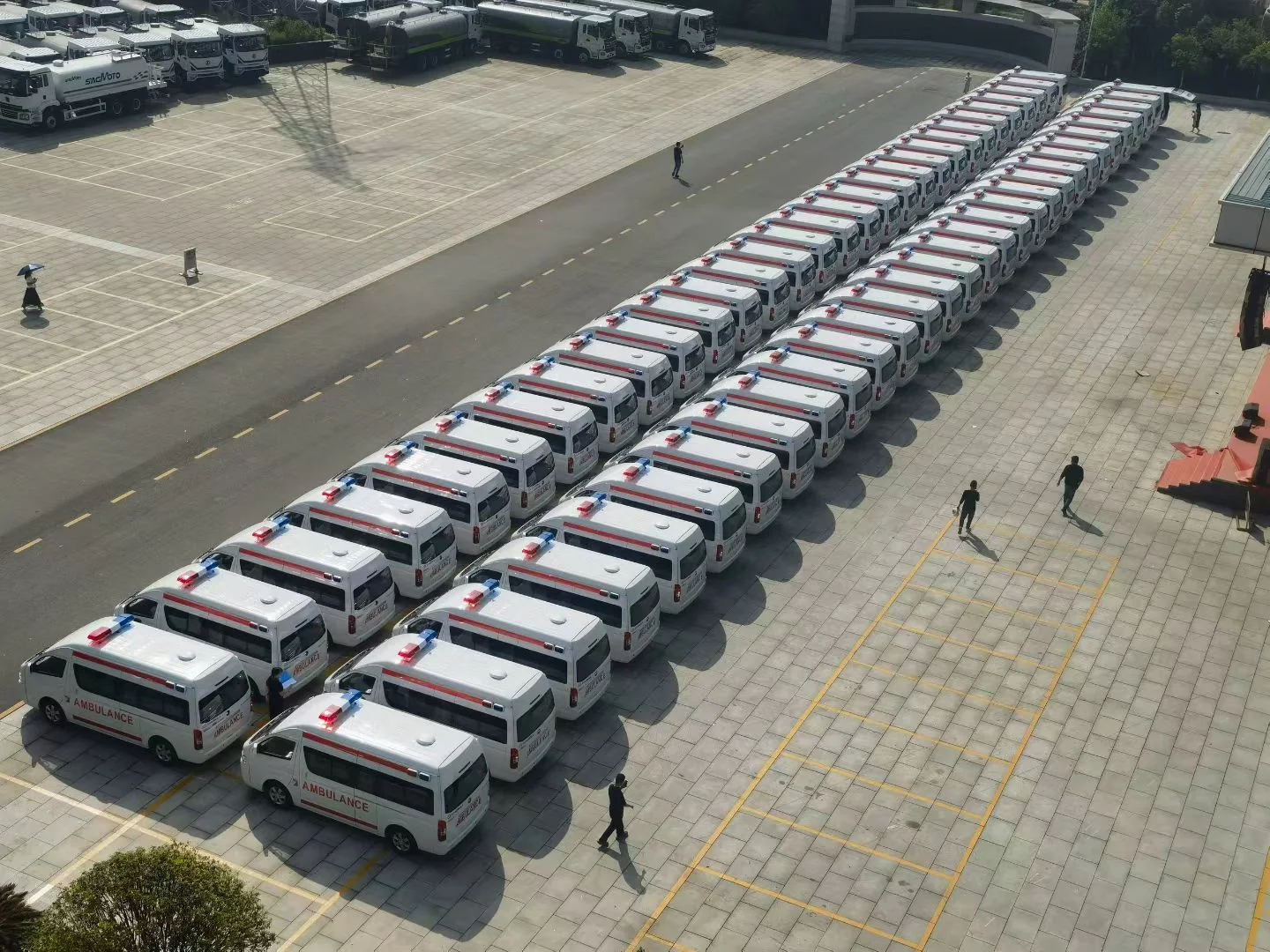
This order began with one sentence: Malaysia drives on the left. An ambulance is exactly the vehicle a fleet buyer cannot afford to get wrong on the road it will patrol, so all sixty units were built on the right-hand-drive configuration of the Foton View G9 platform — steering, instrumentation, pedal placement and cab ergonomics arranged for Malaysian drivers, with a high-roof medical cabin behind specified for patient transfer work.
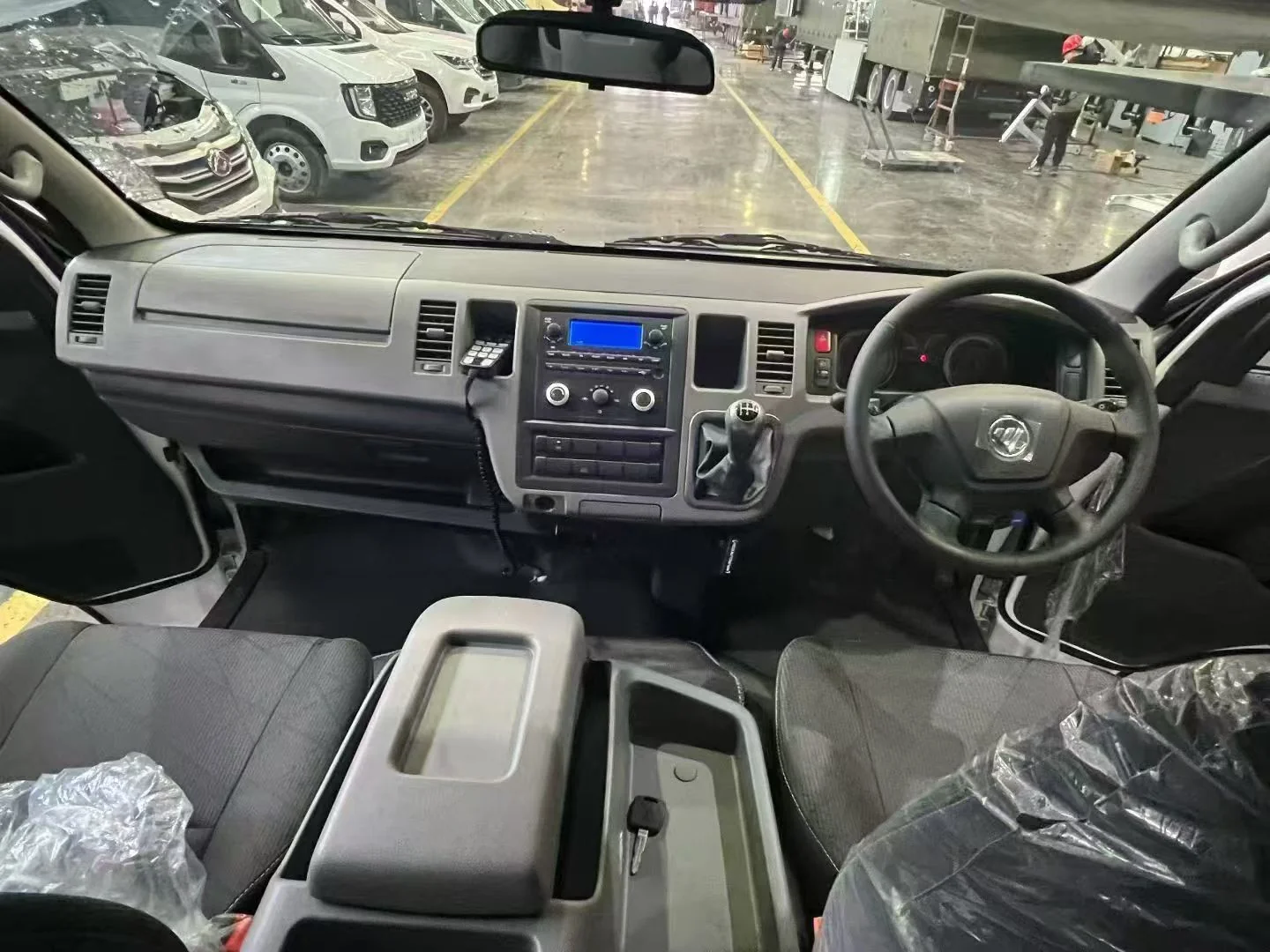
Nothing about the cab is a mirror image afterthought. The transceiver sits within thumb’s reach of the wheel, the light-and-siren switch bank rides on the console below the head unit, and the driver-side field of view opens onto the correct kerb line for Malaysian streets. When the inspection team climbed in, the first thing several of them did was simply sit at the wheel and look left — the easiest test, and the most important one.
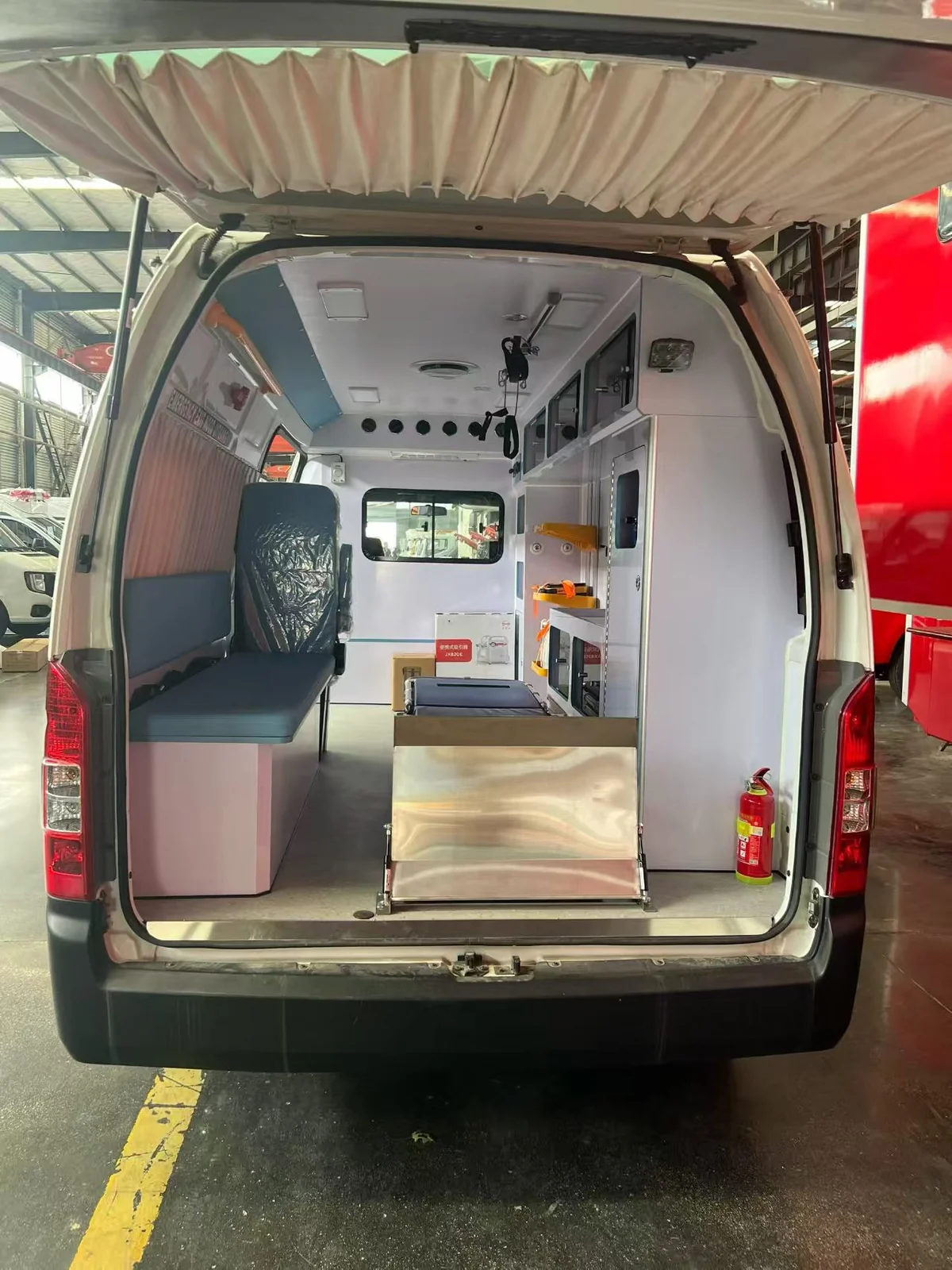
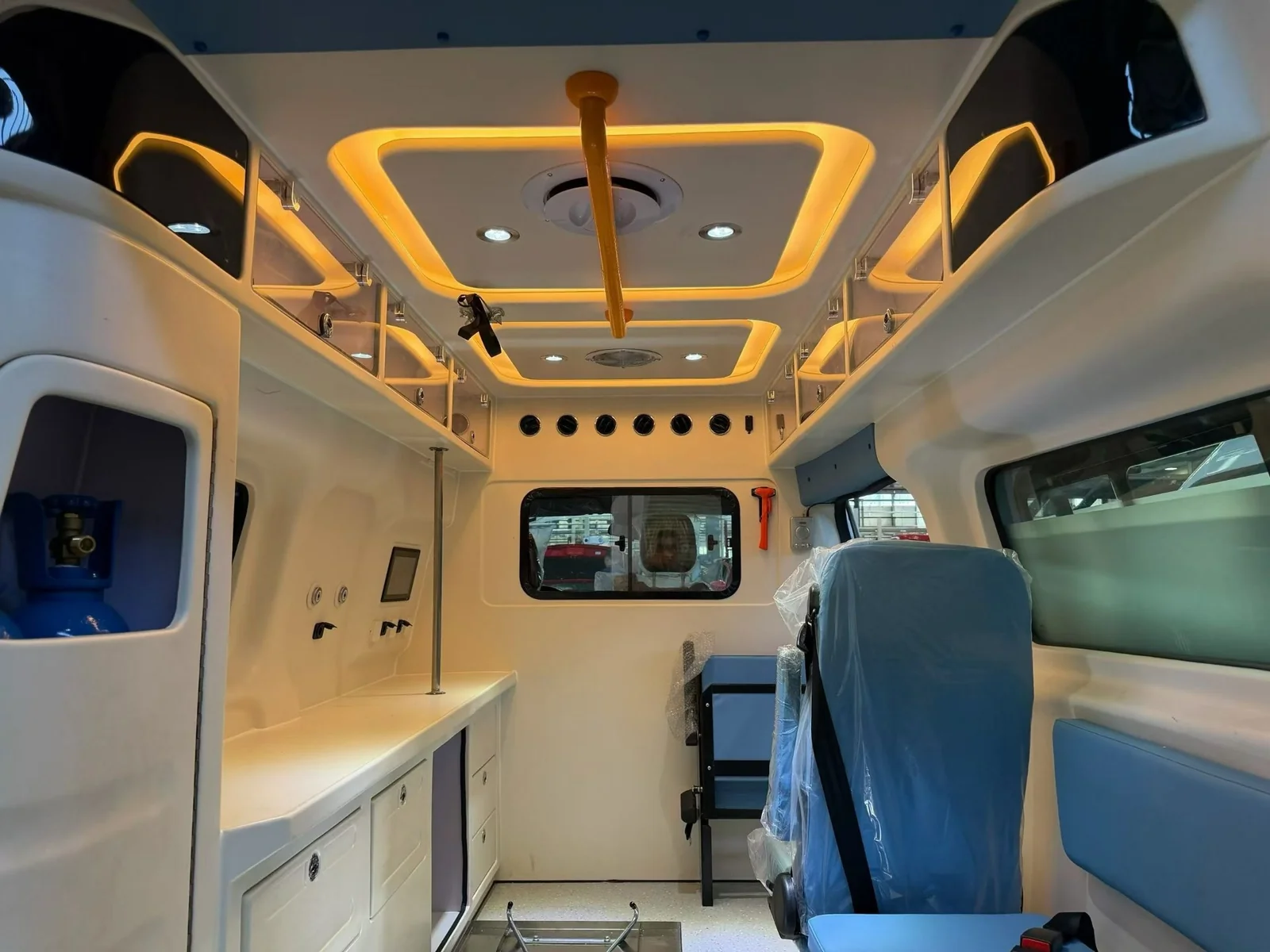
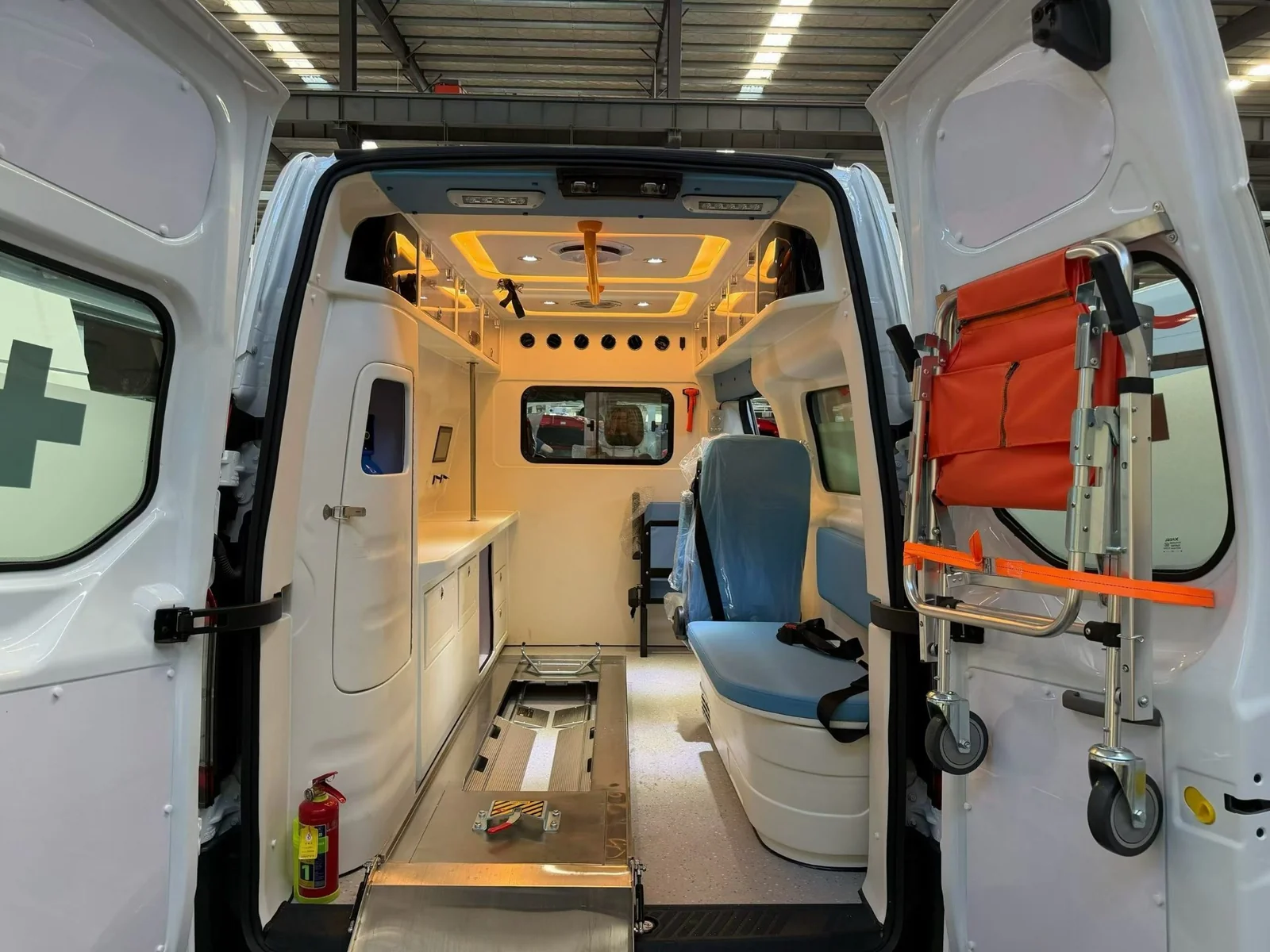
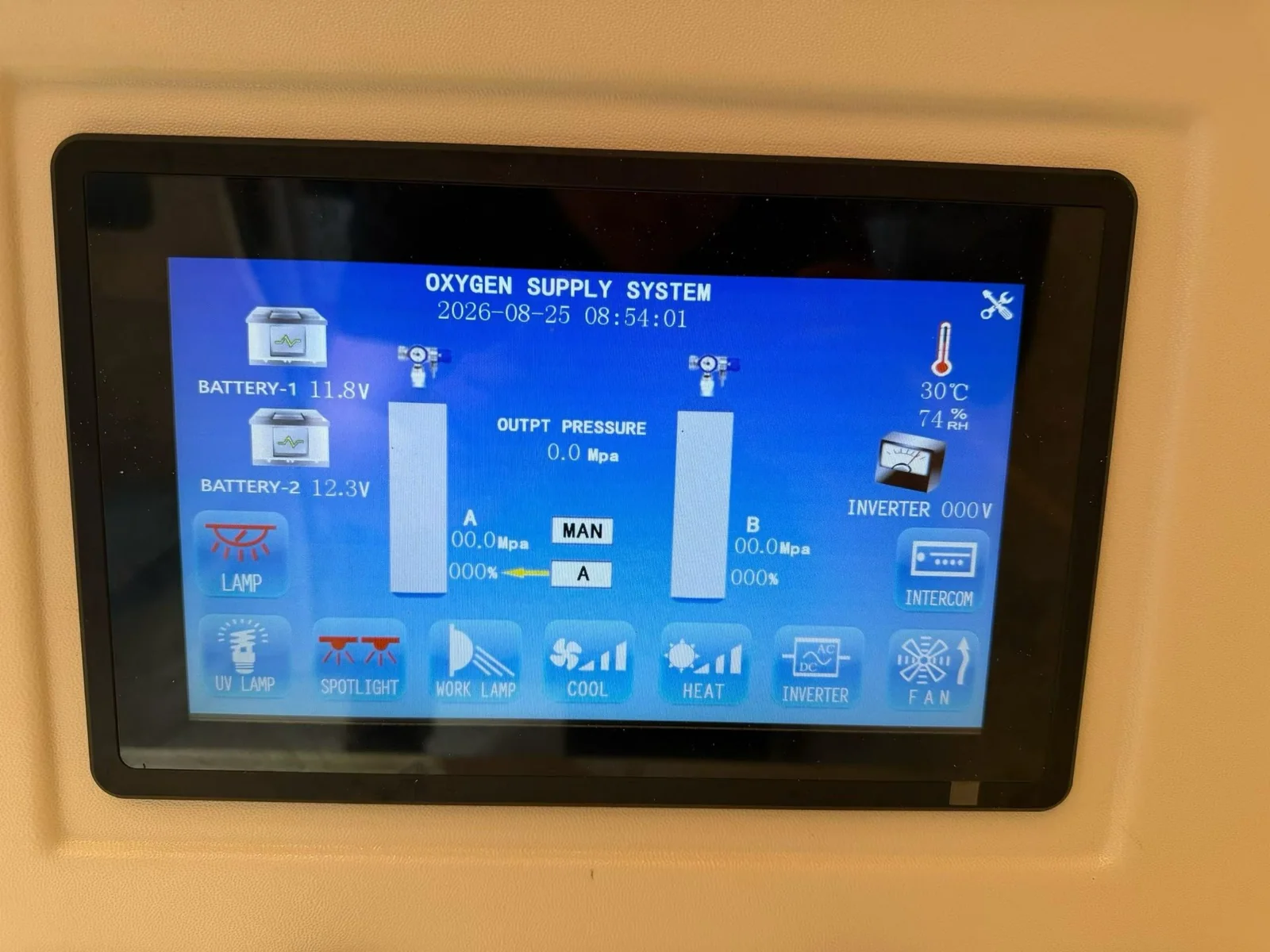
The fit-out is built around the transfer mission: a stainless-steel trolley stretcher on floor rails, a fold-away carry chair docked on the rear door, bench seating with three-point belts for the attendant crew, and a lockable cabinet run for the oxygen bank and consumables. The detail that won the room is the cabin control panel — one touchscreen that watches both batteries, auto-switches between the primary and reserve oxygen cylinders with live output pressure, and drives the UV disinfection lamp, climate, inverter and cab-to-cabin intercom. Crews get the cabin’s vitals at a glance; safety officers get a double-bank oxygen system that cannot silently run down.
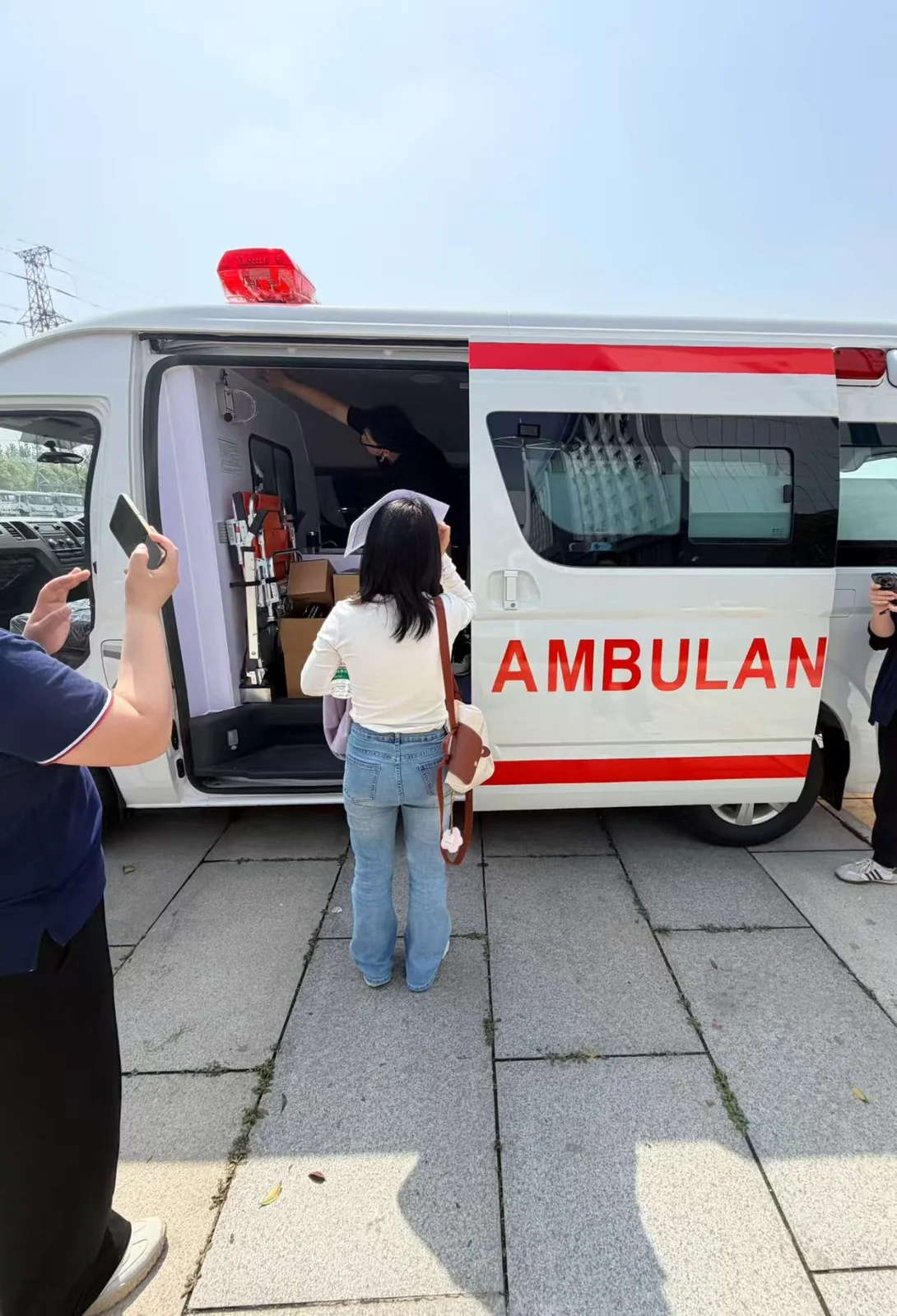
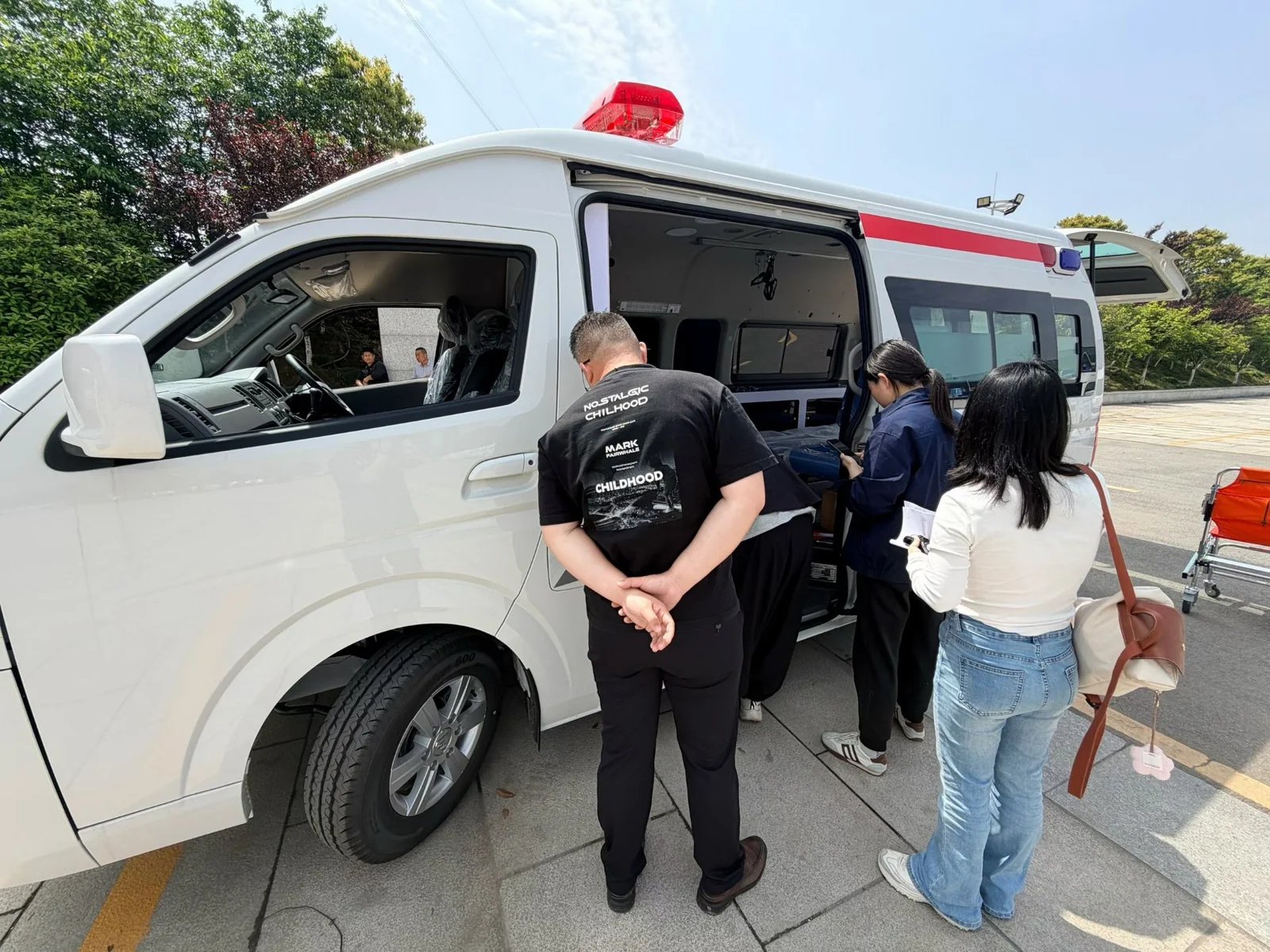
Acceptance day ran the way serious fleet inspections should. The team split into small groups and worked down the columns. Each sliding door was opened; inside every cabin they checked the stretcher system and its floor anchorages, the cabinet restraint points, ceiling lighting and the tie-down geometry that decides whether equipment stays put on a mountain road. Outside, they walked the livery line by line — reflective banding straight, AMBULANCE graphics aligned, light-bar mounting sealed and square. Phones came out constantly: photo after photo matched against paperwork, unit by unit, sign-off by sign-off.
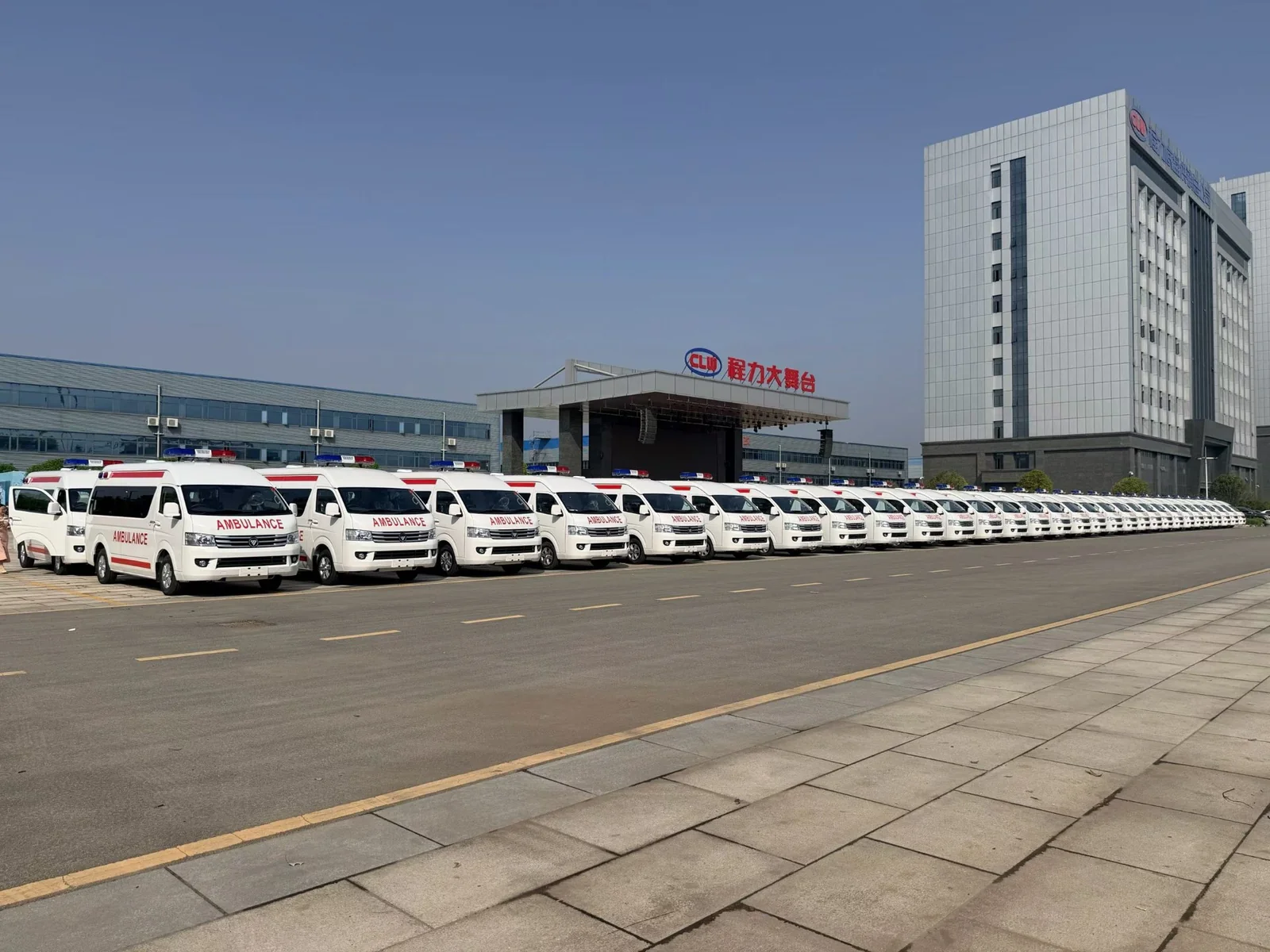
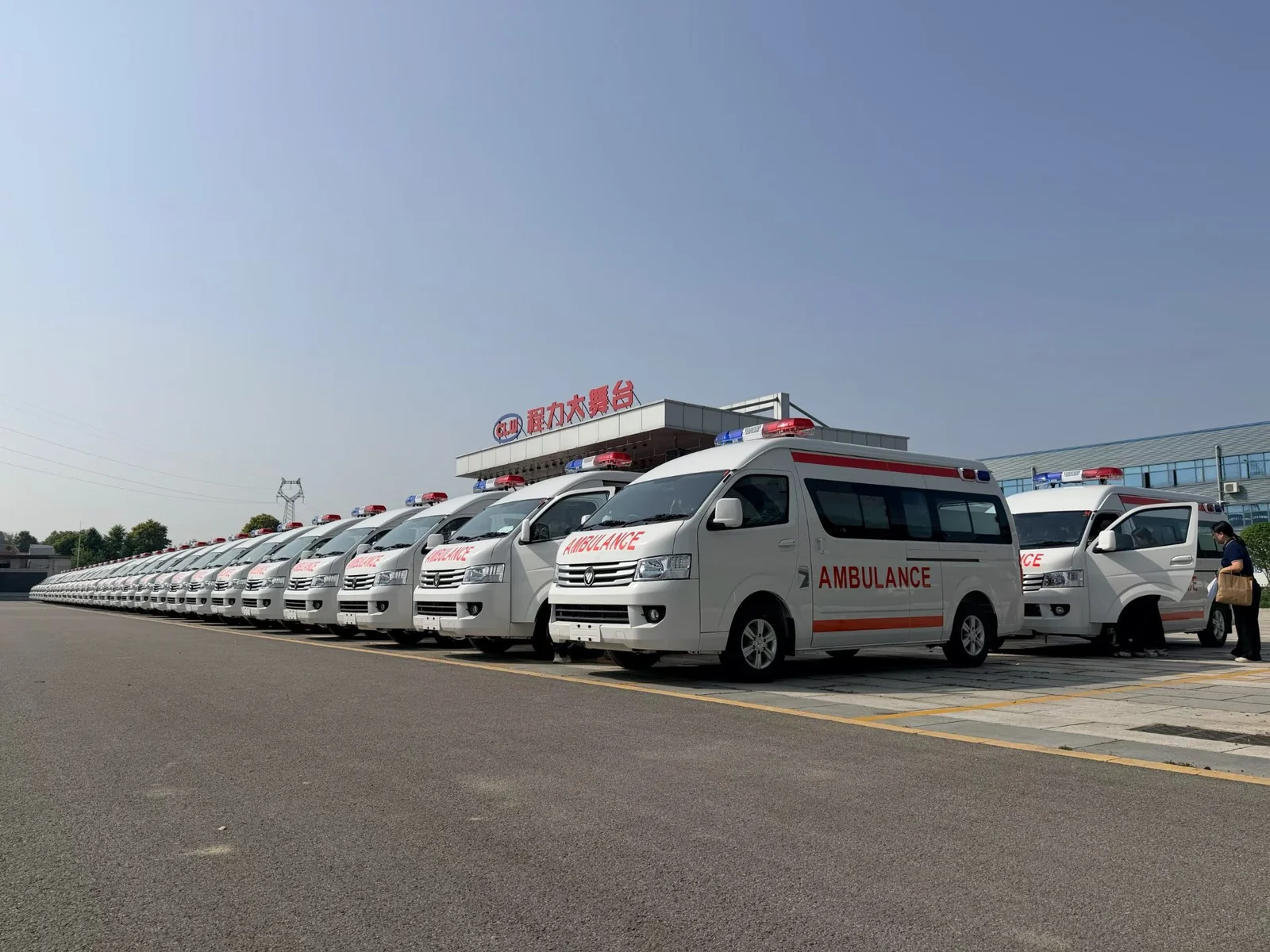
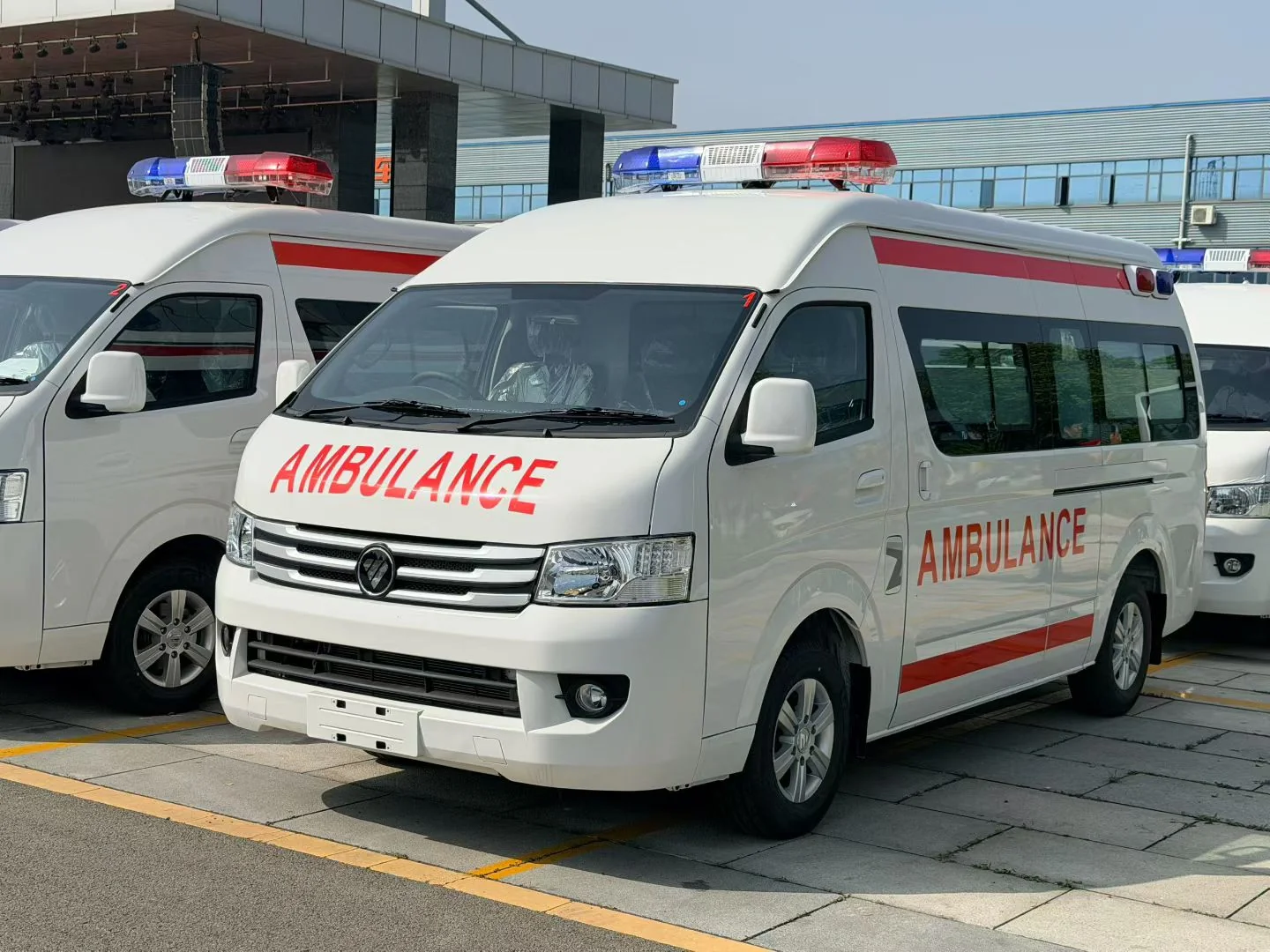
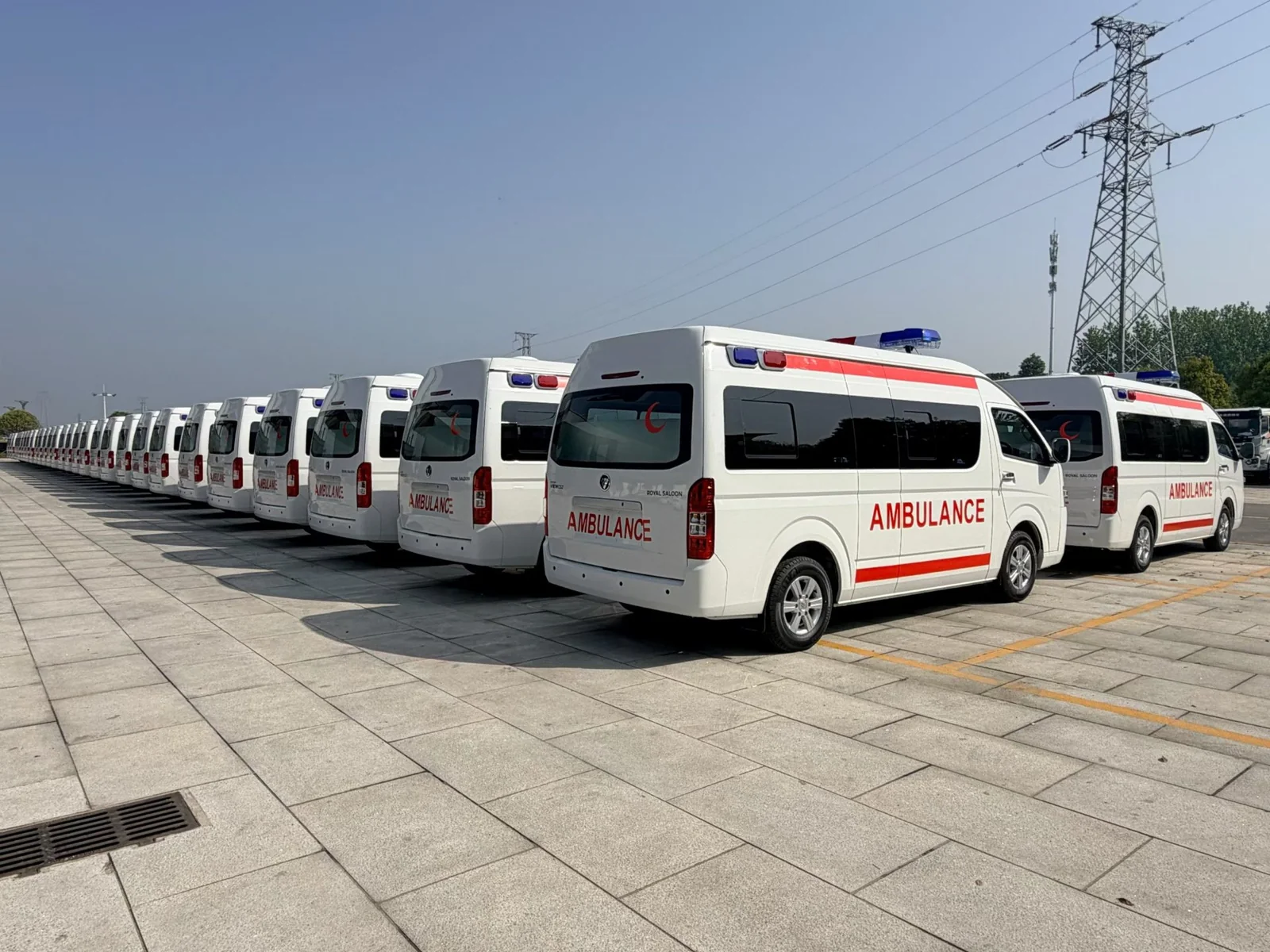
Email and video calls carry a lot of commerce, but a sixty-unit order is where customers rediscover the factory yard. Standing in it, a buyer sees what no photo can send: that the fiftieth vehicle’s panel gap matches the first one’s, that livery applied forty hours apart still sits at the same height, that the paint under sun is the paint under sun. Uniformity at that scale is the actual product of serial production — and it is what the importer will vouch for in front of its own end users, state by state.
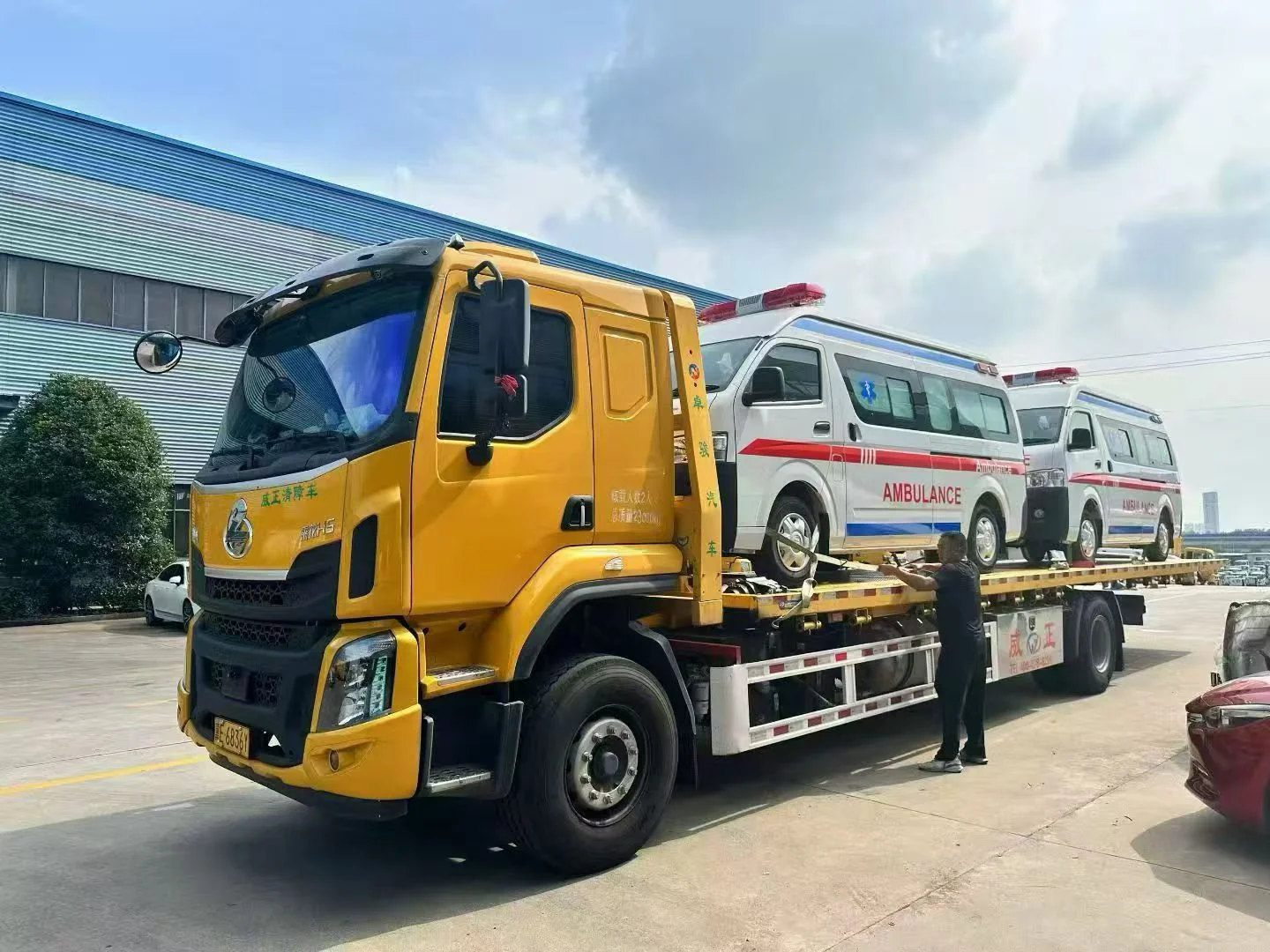
With the checklist closed, the batch moves to wrap-out and export preparation for the voyage to Malaysia, where sixty ambulances join fleets that drive on the left — in exactly the configuration they were built and inspected for.
Ordering a fleet ambulance program for a right-hand-drive market? Send us the mission profile — chassis, drive configuration and medical-cabin spec can be planned together from a single unit to a full batch, with factory acceptance always open to you.
Photographed on-site at the CLW Suizhou plant during the Malaysian customer’s fleet acceptance visit, October 2026.
Tell us your truck model and quantity — an engineer replies within 12 hours with a factory-direct price.
Tell us the model and your requirement — an engineer replies within 12 hours, factory direct.