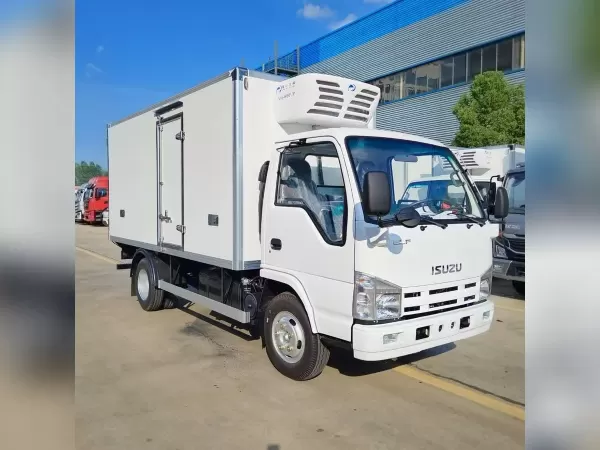
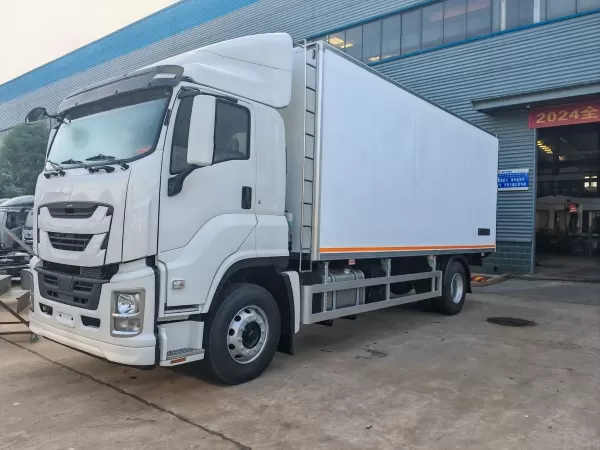
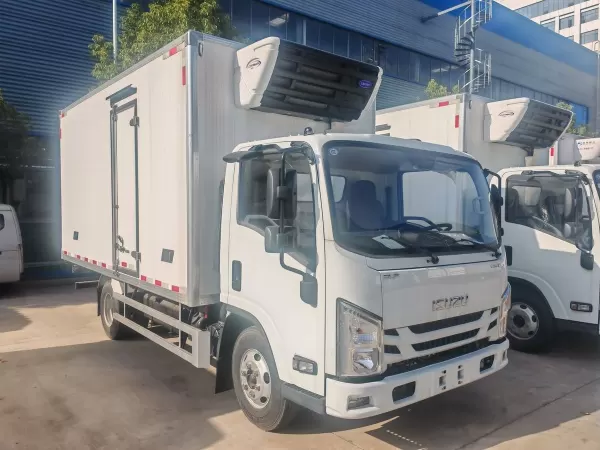
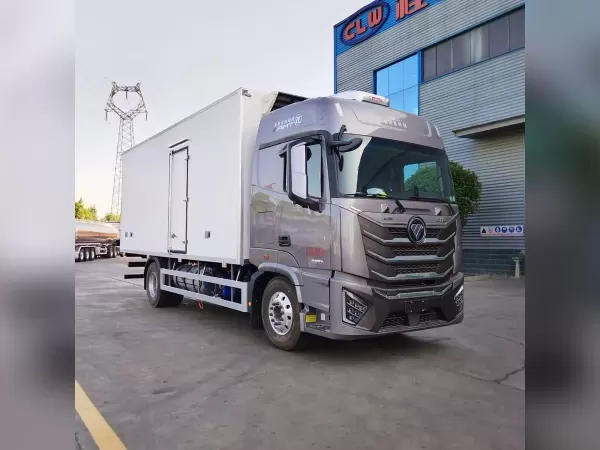
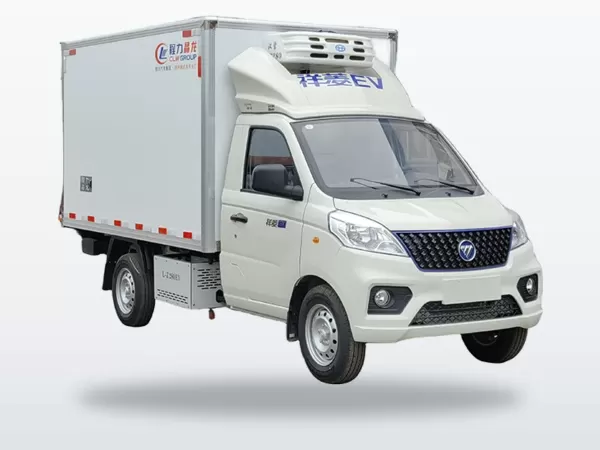
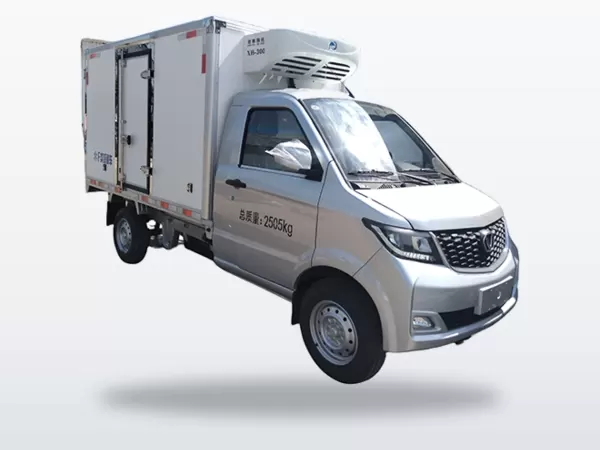
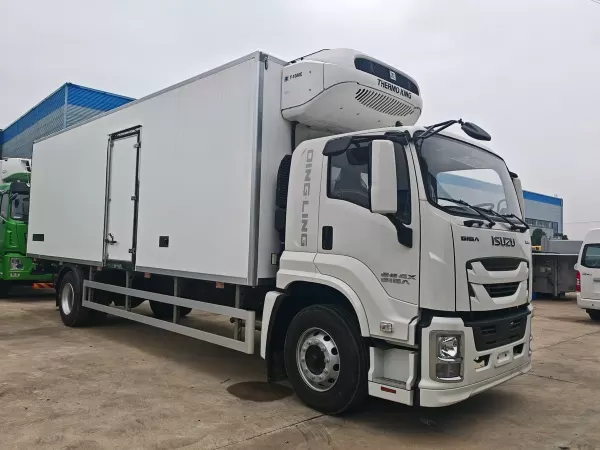
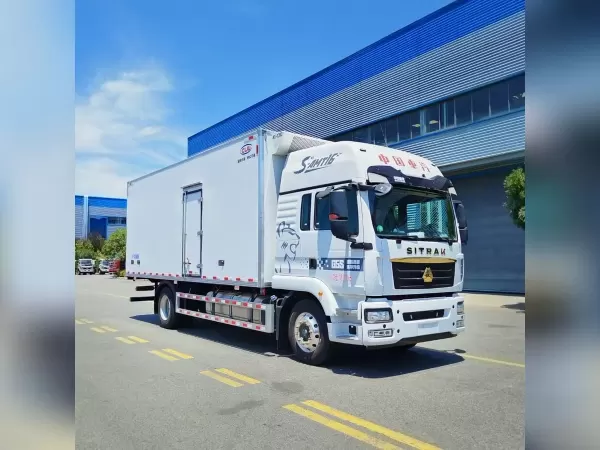
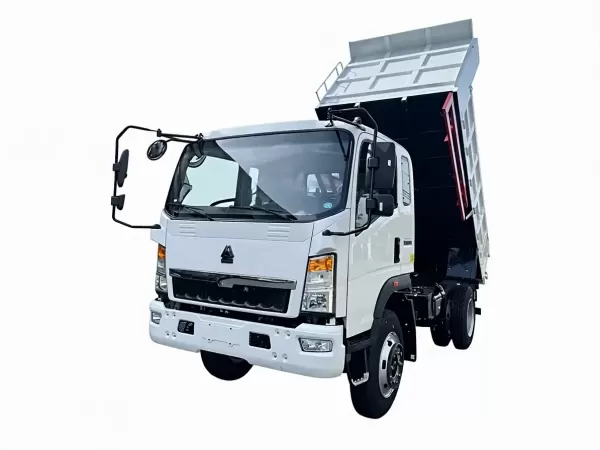
Refrigerated trucks and reefer vans from 5 to 45 m3, with -25 to +20 degree C units, dual-temperature compartments and diesel standby gensets. Compare box insulation, cooling units and chassis for food, pharma or livestock transport.
Yes - a dual-zone box with bulkhead partition and two evaporators holds -18 C and +5 C compartments on the same chassis.
Specify the diesel standby genset; the refrigeration unit then runs at engine-off, and the 100 mm PU panel plus tight door seals hold temperature for hours.
Price depends on box volume, insulation thickness, refrigeration unit brand, chassis and standby genset. A 5-15 m3 light 4x2 reefer van is the entry tier; a 40-45 m3 multi-temperature 6x2 unit is the heavy tier. Send the cargo, route and temperature range for a quote.
MOQ is one unit. Standard single-temperature reefers ship in 20-35 working days after deposit; dual-zone, pharma-validated and standby-genset builds take 30-45 working days.
Standard units run from -25 to +20 degree C. Frozen and chilled cargo can share a dual-zone box with a bulkhead partition and two evaporators; pharma units are configured and validated for 2-8 degree C with a temperature recorder.
Yes. A diesel standby genset lets the refrigeration unit run while the truck engine is off, holding temperature through traffic, waiting time and night delivery. The genset is sized to the unit and box volume.
MIIT and ISO certification, certificate of origin and inspection report. The refrigeration unit carries its manufacturer warranty; the body and chassis carry a two-year CLW warranty with spare-parts supply.
Use 80-100 mm for short urban distribution with frequent door openings, and 120-150 mm for long-haul, deep-frozen or pharma work. Thicker panels cost more and reduce internal volume, so match the thickness to the temperature band and the delivery cycle rather than to the maximum available.
Capacity is matched to box volume, insulation, ambient temperature and door openings per shift, not to the chassis size. Send the summer high, the cargo temperature and the number of stops; CLW checks the unit capacity against the pull-down and holding load before quoting.
Yes, with a pharma configuration: validated 2-8 degree C set point, mapped temperature sensors, a data logger and standby power. Tell us the validation standard your health authority requires so the recorder and mapping report match it.
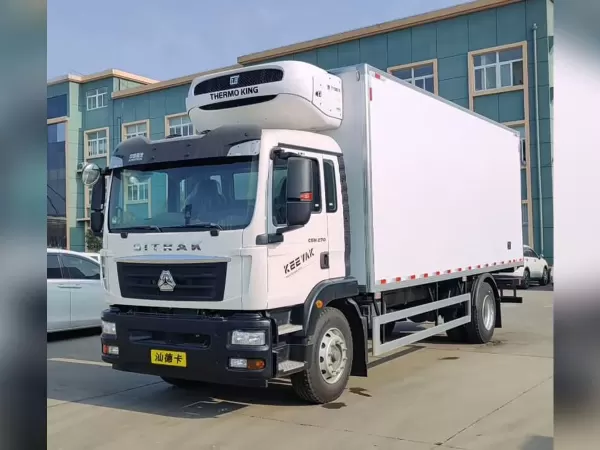
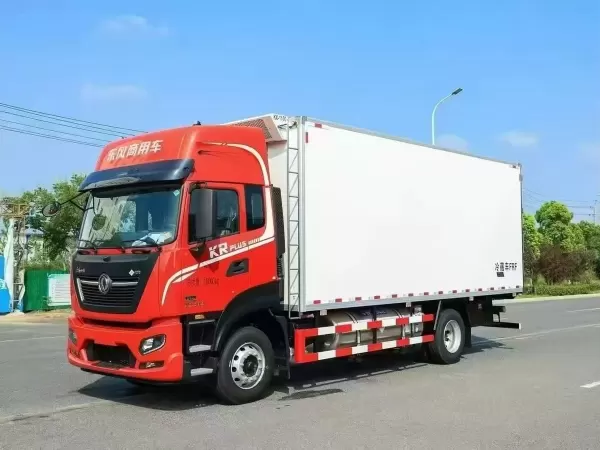
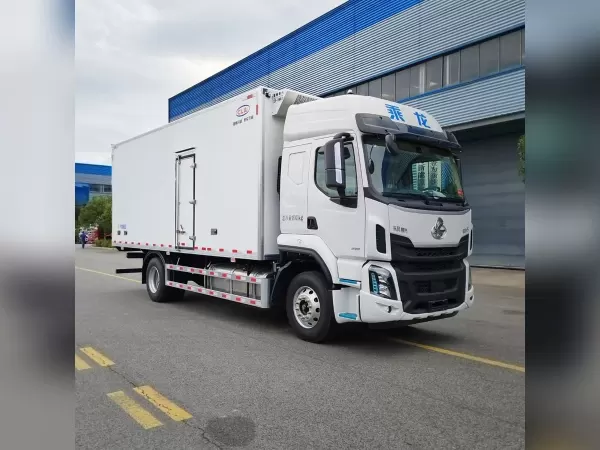
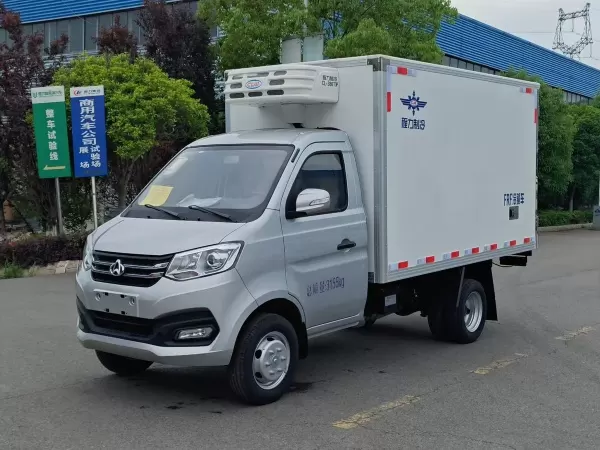
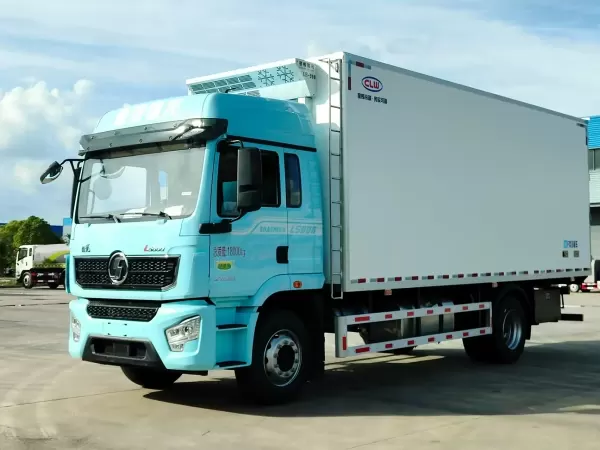
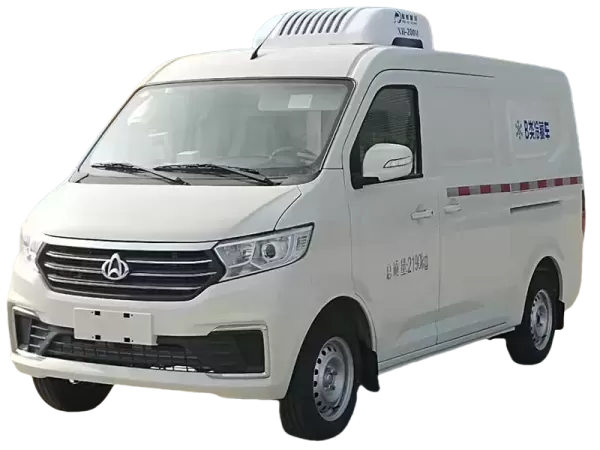
A refrigerated truck is a chassis plus an insulated box plus a refrigeration unit, and each part can be specified independently. CLW builds FRP sandwich and polyurethane foam boxes from 5 to 45 m3, on light 4x2 vans and 6x2 or 6x4 rigid trucks. Insulation thickness runs 80-150 mm, doors can be side or rear, and floors can take aluminium tread plate or an alumina grid for air circulation.
The box, not the chassis brand, determines how well the load holds temperature. Panel density, door seals, floor insulation and the number of door openings matter more than the nominal unit capacity.
Start with the cargo and the route, then size the box and the unit:
Send the temperature range, cargo, route and destination port and CLW returns a box drawing, insulation thickness, unit model and standby-power recommendation before deposit.
Bands are factory-direct FOB China for standard builds and are a budget framework, not a quotation.
Compare box insulation thickness, panel density, door hardware, unit brand and standby package line by line. Two quotations that differ by 20 percent usually differ in panel thickness or in whether the refrigeration unit is new or remanufactured; ask for the unit model and serial number before comparing price.
CLW builds refrigerated bodies in an ISO-certified factory and supplies MIIT and export homologation documents. Each box is tested for cooling pull-down and door-seal tightness before shipment, and the temperature recorder is checked against a reference probe. Export files include certificate of origin, invoice, packing list, bill of lading and inspection report on request.
Lead time is typically 20-35 working days for a standard single-temperature reefer after deposit, and 30-45 working days for dual-zone, pharma or standby-genset builds. Small van bodies ship in a 40FT container; larger rigid boxes move by RoRo or flat rack. CLW provides loading photos, lifting points and blocking instructions, and can pre-set the unit parameters for the temperature range you will run.
Reefer uptime depends on airflow and door discipline. Keep the evaporator clear of cartons, load below the floor return-air line, and close doors between deliveries. Check the unit oil, refrigerant charge and defrost cycle on schedule; a long pull-down time usually means a dirty condenser, a blocked evaporator or a door seal that has lost its shape.
Wash the box with low-pressure water and a neutral cleaner, inspect panel joints and door gaskets monthly, and have the temperature recorder calibrated annually. For pharma boxes, keep the validation report, sensor calibration certificates and mapping records with the vehicle. CLW supplies door seals, evaporator filters, unit spare parts and the box drawing with every truck.
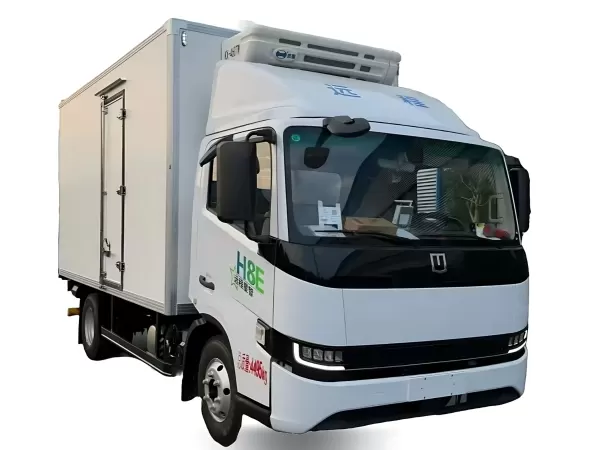
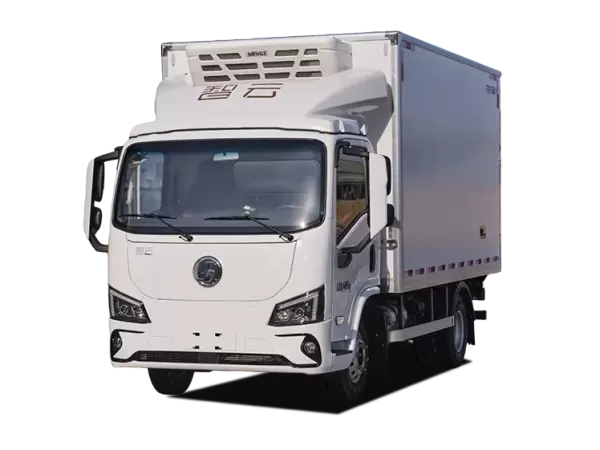
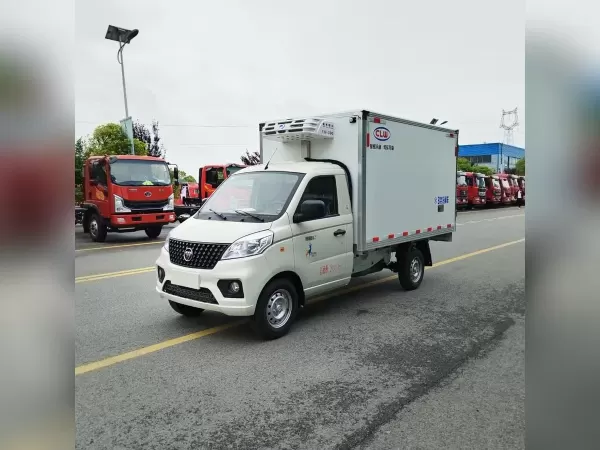
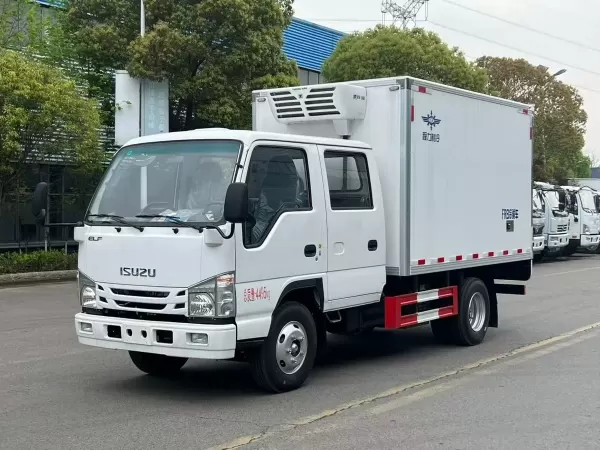
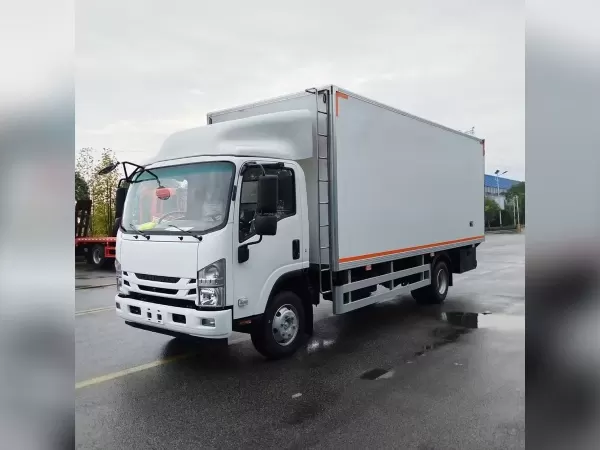
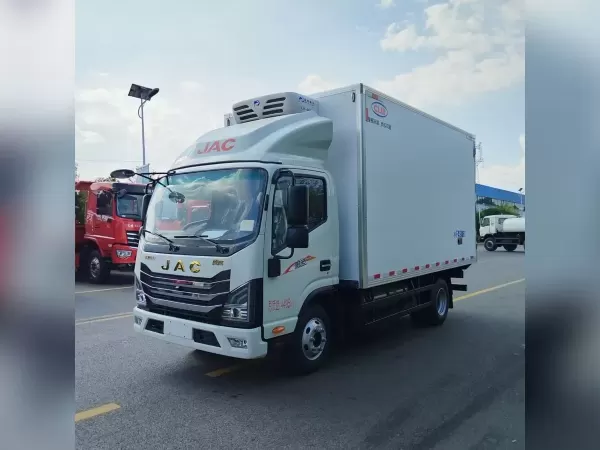
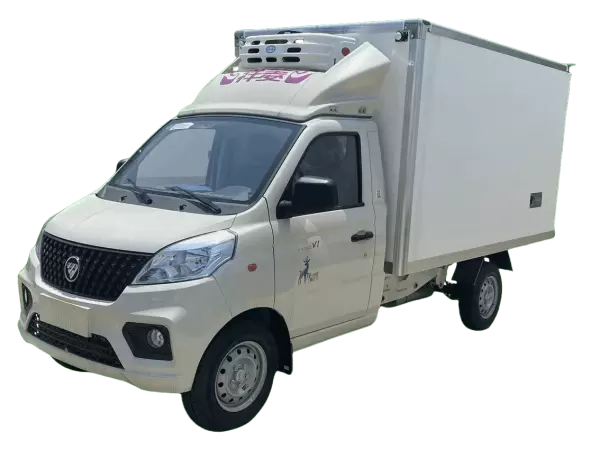
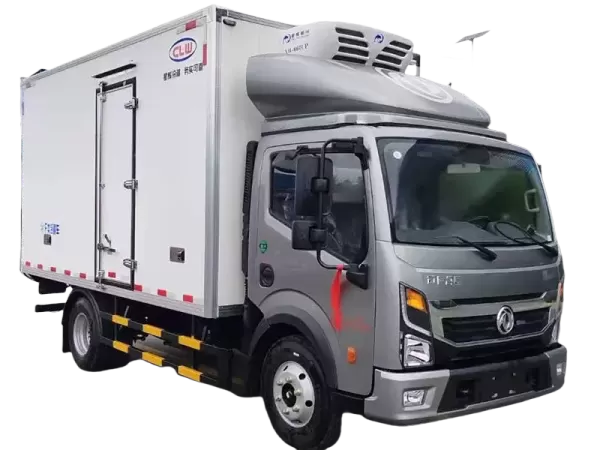
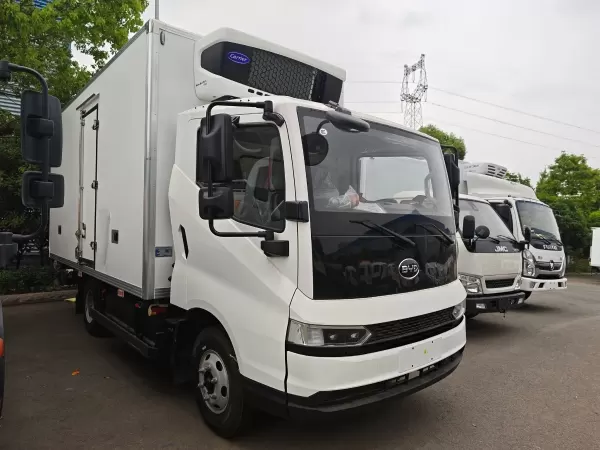
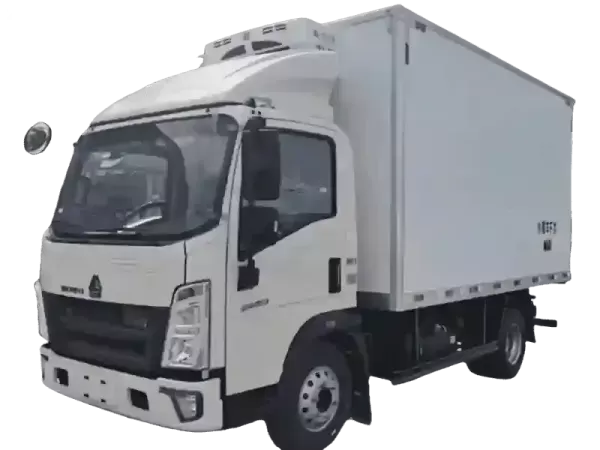
Main models: Geely Farizon Electric Refrigerated Truck for Green Cold Chains SHACMAN I9 Electric Refrigerated Truck 4x2 Zero Emission Cold Chain FOTON Mini Refrigerated Truck 4x2 Compact Cold Chain Van ISUZU 600P Double Cab Refrigerated Truck 4x2 Crew + Cold Cargo ISUZU 700P 4x2 Refrigerated Truck 190HP Medium Cold Box JAC 4x2 Refrigerated Truck 5M Cold Box Distribution Vehicle
Related categories: Tanker Trucks Motorhomes Mobile Medical Catering Units Buying Guides Delivery Cases
Buying Guides: Refrigerated Truck Buying Guide 2026: Types, Insulation and Prices
Tell us your truck model and quantity — an engineer replies within 12 hours with a factory-direct price.
Tell us the model and your requirement — an engineer replies within 12 hours, factory direct.