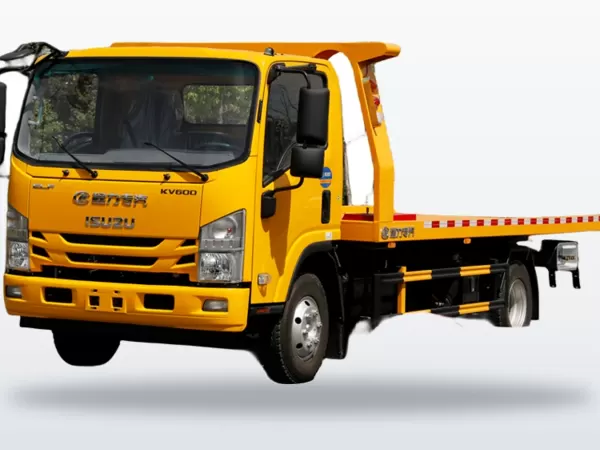
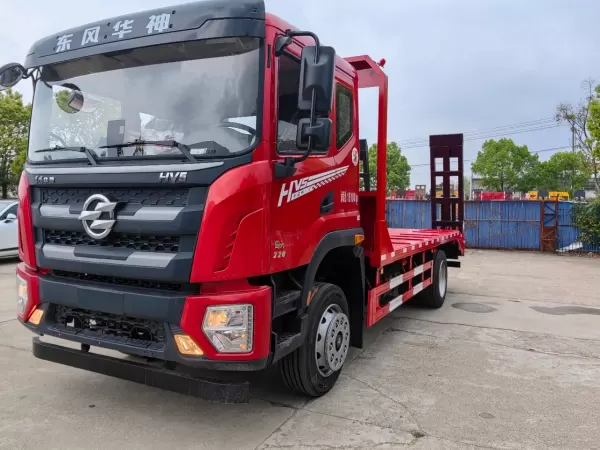
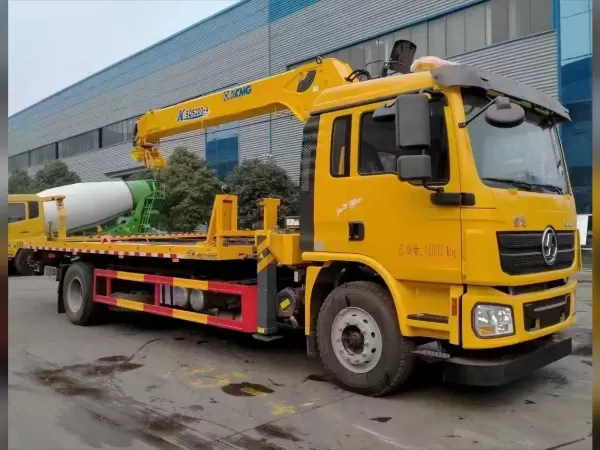
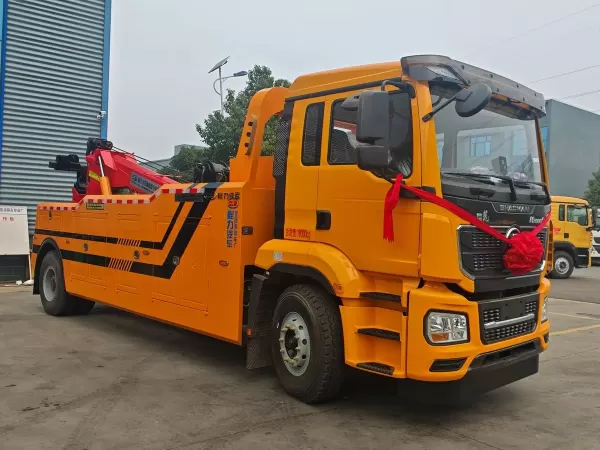
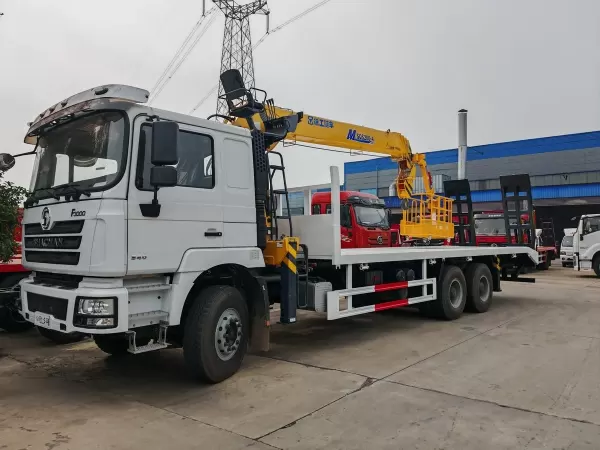
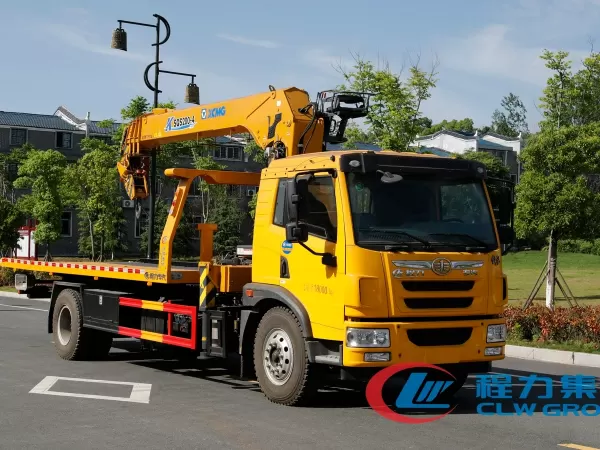
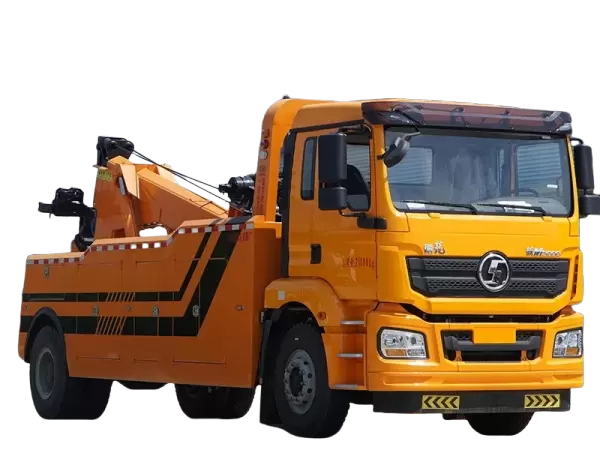
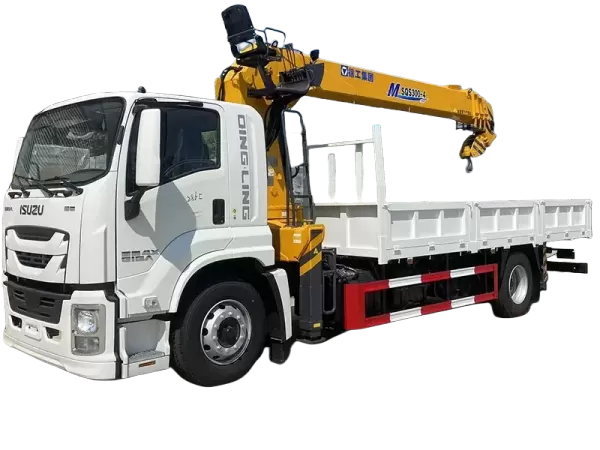
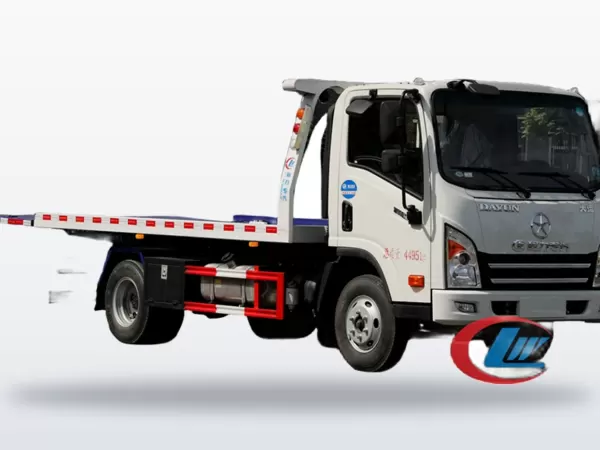
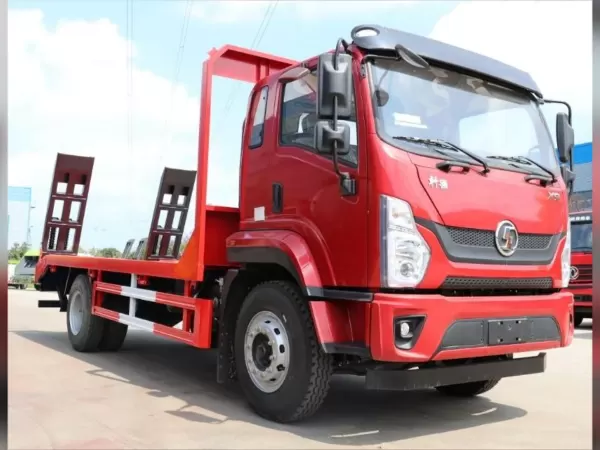
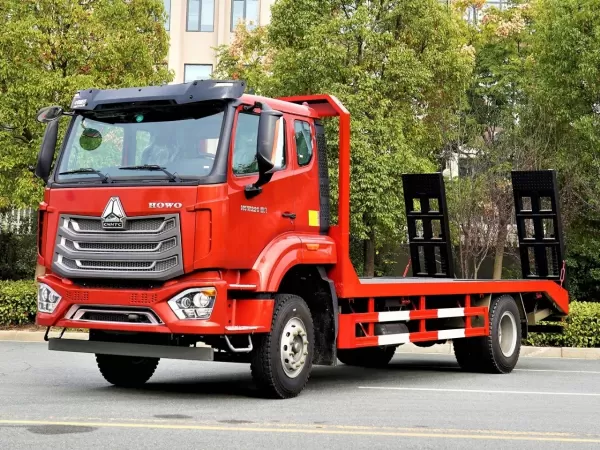
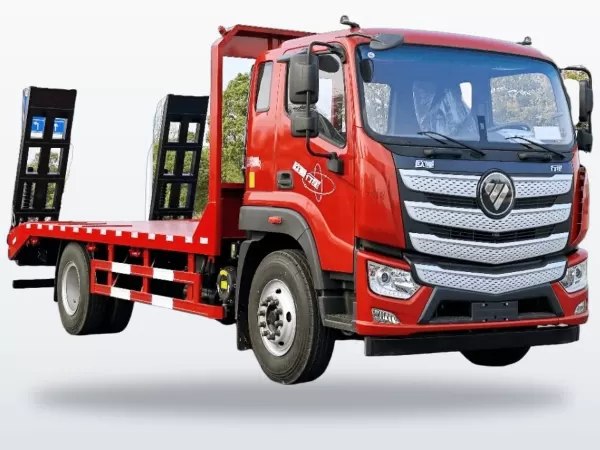
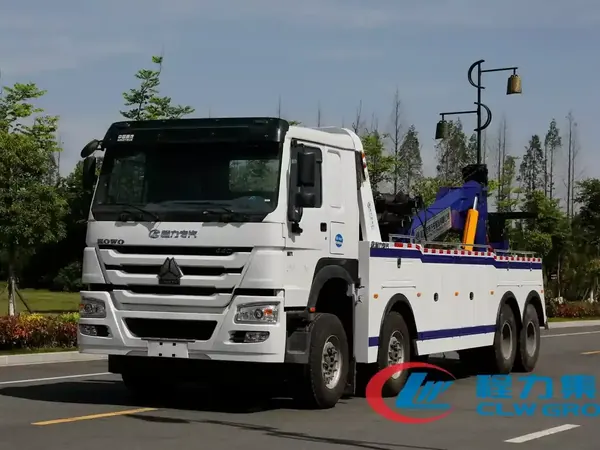
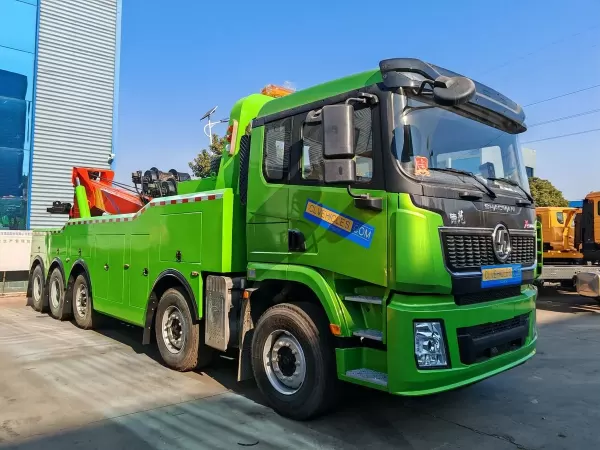
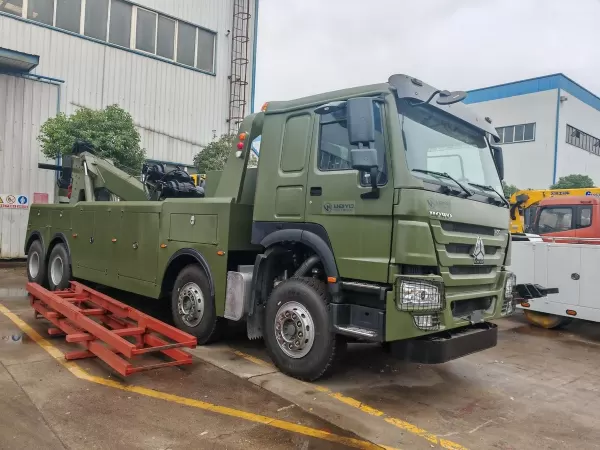
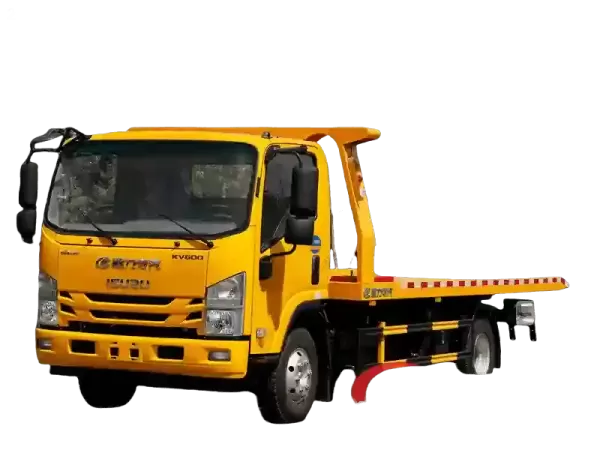
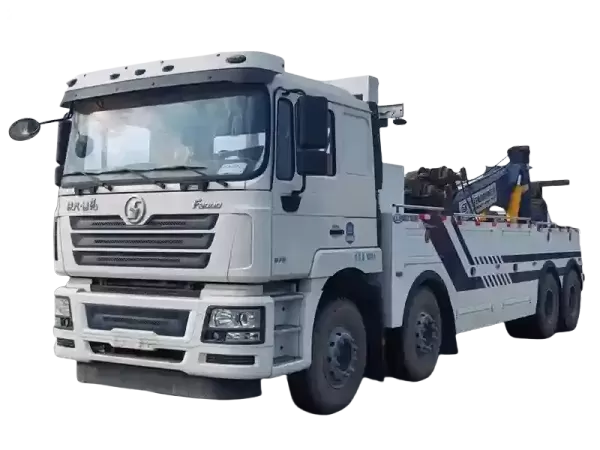
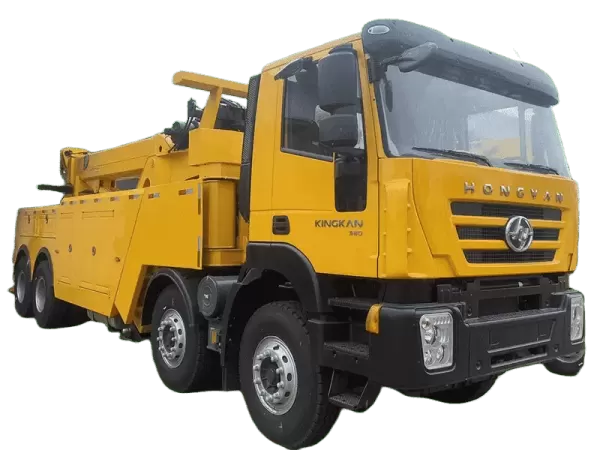
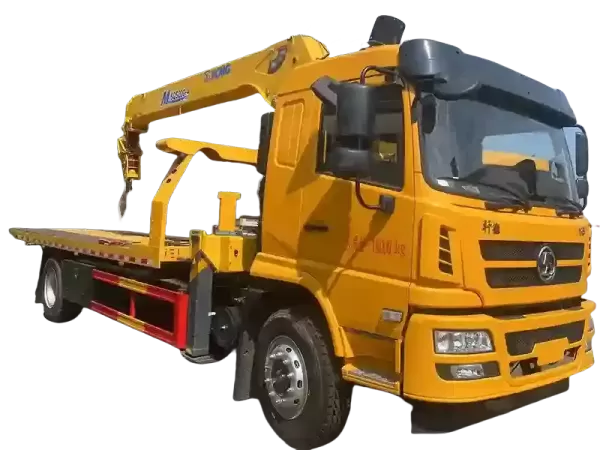
Wrecker trucks and tow trucks with 5-20 t boom capacity, wheel-lift and flatbed recovery systems, winches and scene lighting. Compare recovery capacity, deck length and chassis for motorway, city or fleet service.
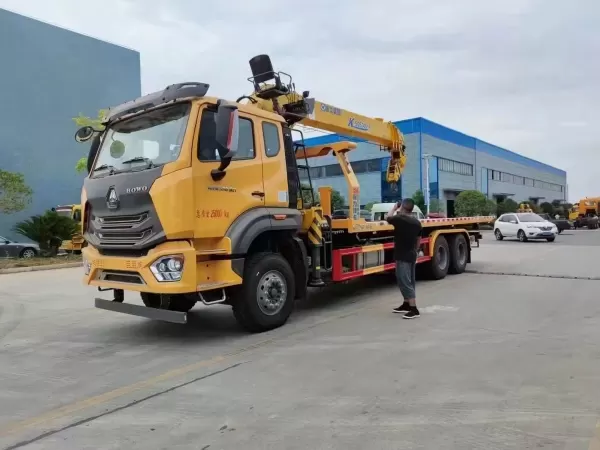
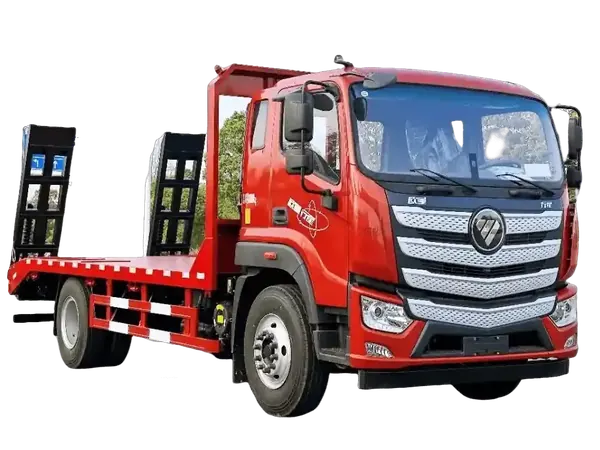
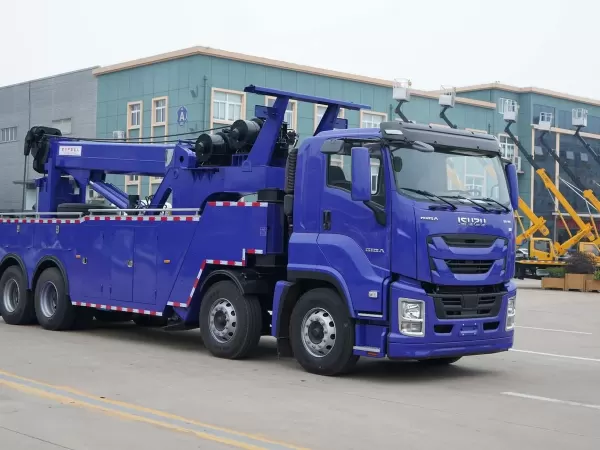
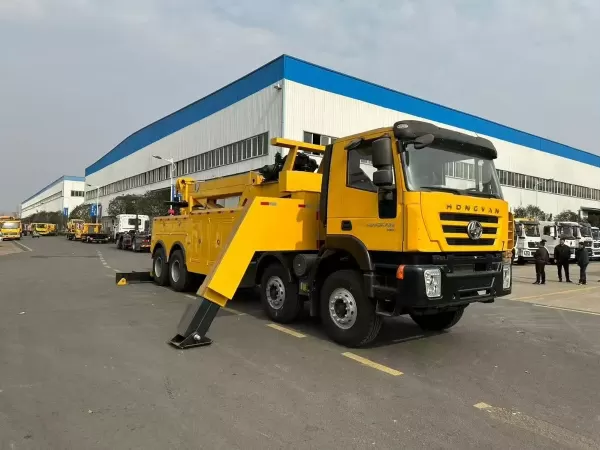
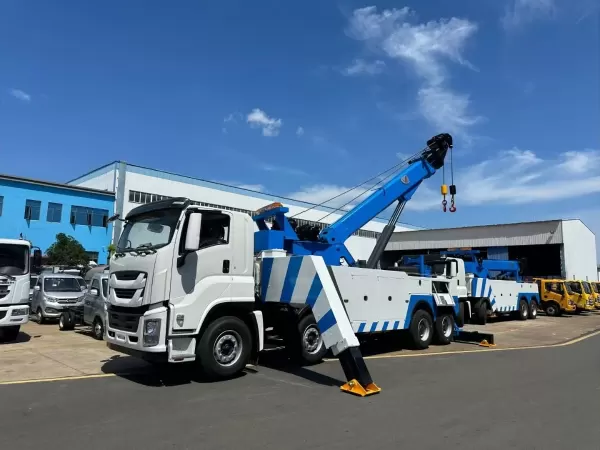
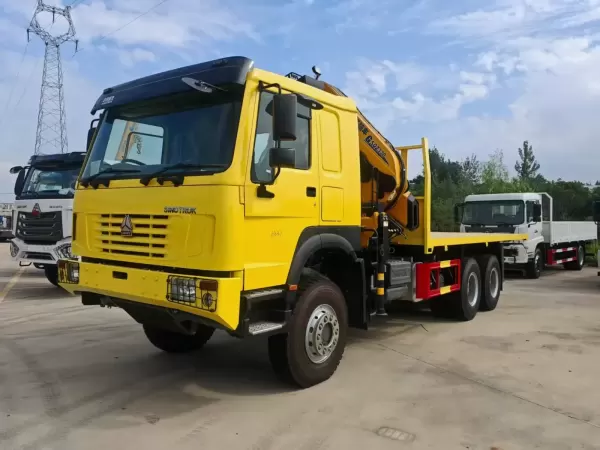
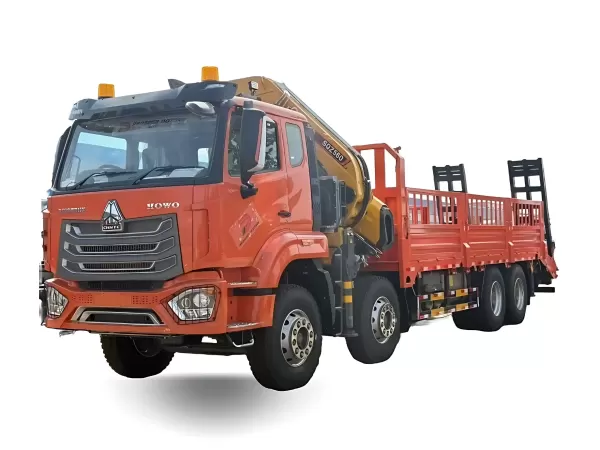
A 15-20 t heavy wrecker with wheel-lift plus boom recovers rigid trucks, buses and small containers; pair it with our flatbed variant for lowboy transport of the recovered load.
Scene lights, amber beacons, reflective chevrons, outrigger pads and a tool box are standard; skid steer, safety barrier and arrow board fit the deck.
Price depends on boom capacity, deck length, wheel-lift rating, winch and chassis. A light flatbed for cars and vans is the entry tier; a 15-20 t heavy wrecker with boom and wheel-lift is highest. Send the vehicles you recover and the road type for a configuration.
MOQ is one unit. Standard flatbed and light wreckers ship in 25-40 working days after deposit; heavy 15-20 t recovery units take 35-55 working days with load testing.
A flatbed is best for cars, vans and light vehicles because the whole vehicle rides on the deck. A wheel-lift plus boom handles heavy trucks, buses and containers where the axle is lifted and towed; many fleets run one flatbed and one heavy unit.
Scene lights, amber beacons, reflective chevrons, outrigger pads and a tool box are standard; skid steer, safety barrier and arrow board fit the deck.
MIIT and ISO certification, certificate of origin and inspection report, plus load-test records for the boom and winch. The vehicle carries a two-year warranty with lifelong genuine spare parts.
Wheel-lift capacity is rated by the axle load it can lift, not by the total vehicle weight. A light unit handles 3-5 t axle loads; heavy underlifts reach 15-20 t. Confirm the heaviest loaded axle you expect to lift, because a truck that is legal to tow may still overload a light wheel-lift.
Rarely well. A flatbed is the safe daily unit for cars and vans; a heavy boom wrecker with underlift covers trucks and buses. Mixed fleets usually run one of each, or a combination boom-plus-deck unit where the motorway contract justifies the extra cost.
Winch pull must cover the rolling resistance of the recovered vehicle plus any grade or mud drag; a grounded or damaged vehicle can need far more than its weight. Tell us the vehicle class and the worst site condition, and CLW sizes the winch and wire rope against the load chart.
A wrecker or tow truck is chosen by what it recovers and where. CLW builds light flatbed carriers for cars and vans, wheel-lift units for light trucks and buses, and heavy boom wreckers with wheel-lift for tractor units and plant. Boom capacity runs from 5 to 20 t, deck lengths from 5 to 9 m, and winch pulls up to 20 t.
Most operators need two units rather than one compromise: a flatbed for daily car work and a heavy wrecker for trucks and buses.
Give these inputs and the recovery body can be sized correctly:
Send the vehicle list and the working radius for the heaviest lift; CLW checks the load chart, outrigger force and deck rating before quoting.
Factory-direct FOB bands, a budget framework rather than a quotation.
Compare boom rating at radius, winch pull, deck plate thickness, wheel-lift rating and outrigger spread. A quoted capacity without a load chart is not comparable; ask for the chart and the test record with the quotation.
CLW supplies recovery bodies built on MIIT-approved chassis with ISO factory certification. Boom, winch and wheel-lift are load-tested before shipment and the test record ships with the truck. Export documents include certificate of origin, invoice, packing list, bill of lading and inspection report on request.
Lead time is typically 25-40 working days for flatbed and light wreckers after deposit, and 35-55 working days for heavy 15-20 t units. Light units can ship in a container; heavy wreckers move by RoRo or flat rack. CLW provides lifting points, blocking plans and loading photos, and can supply right-hand drive and local lighting packages where required.
Recovery work fails on setup, not on the truck. Deploy outriggers on firm ground with pads, chock the recovered vehicle, and keep the winch line clear of people. Check the boom, underlift, wheel-lift and winch wire for cracks, wear and broken strands before each shift, and never exceed the load chart at the actual radius.
Maintain the hydraulic system, winch brake and outrigger cylinders on schedule, and keep the deck surface and tie-down points free of rust and debris. Scene lighting, beacons and chevrons should be tested before every motorway call. CLW supplies wire rope, seals, wheel-lift parts and the load chart with each unit.
Main models: Dongfeng 8-Ton Heavy Flatbed Wrecker for Highway Patrol Dongfeng 6X2 8-Ton Flatbed Wrecker Truck for Roadside Rescue SHACMAN Wrecker with 8-Ton XCMG Crane for Lift & Tow SHACMAN 4x2 Heavy Duty Flatbed Wrecker Truck 8T Recovery SHACMAN F3000 6x4 Wrecker with XCMG 8T 4-Section Crane & Basket FAW Jiefang 10-Ton Heavy Wrecker for Truck Recovery
Related categories: Truck Mounted Cranes Dump Trucks Emergency Vehicles Aerial Platforms Buying Guides Delivery Cases
Tell us your truck model and quantity — an engineer replies within 12 hours with a factory-direct price.
Tell us the model and your requirement — an engineer replies within 12 hours, factory direct.