CLW Chengli Special Automobile · Suizhou, China
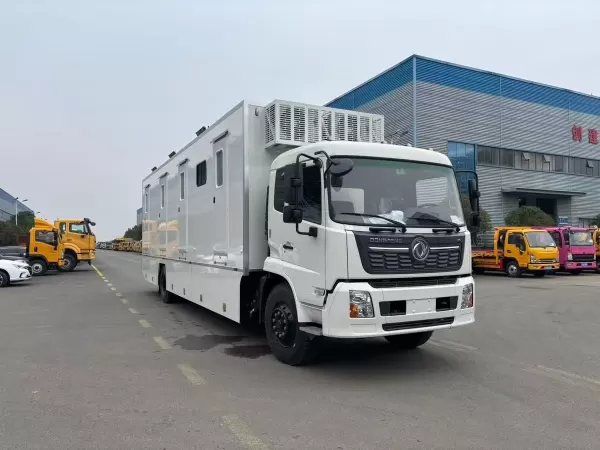
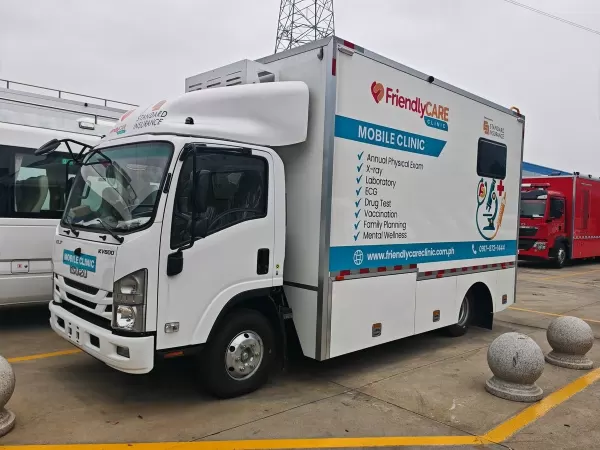
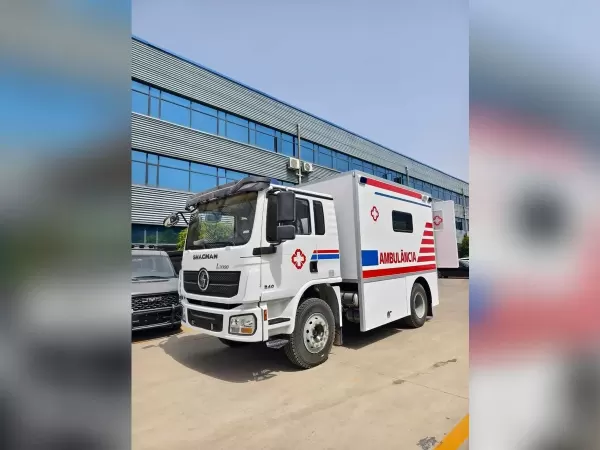
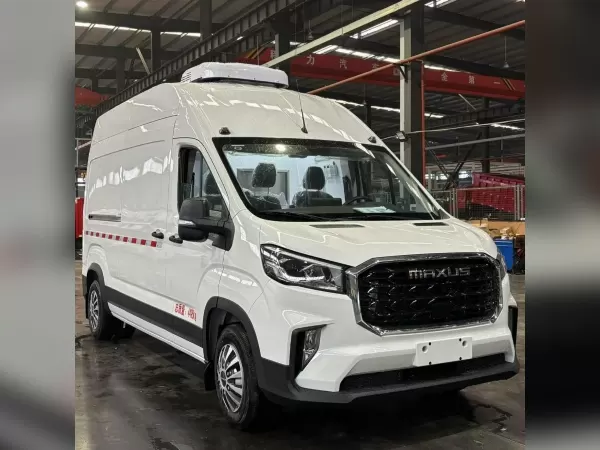
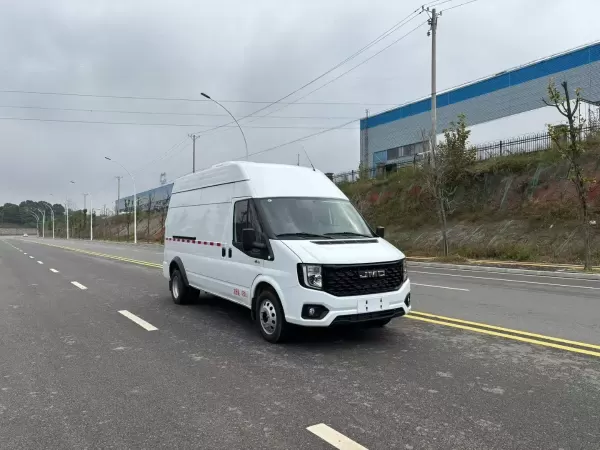
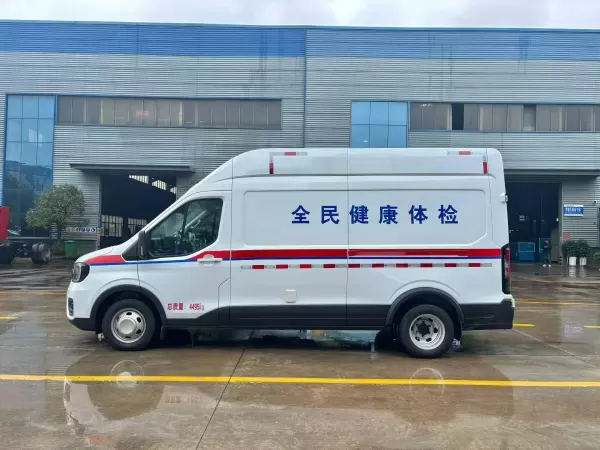
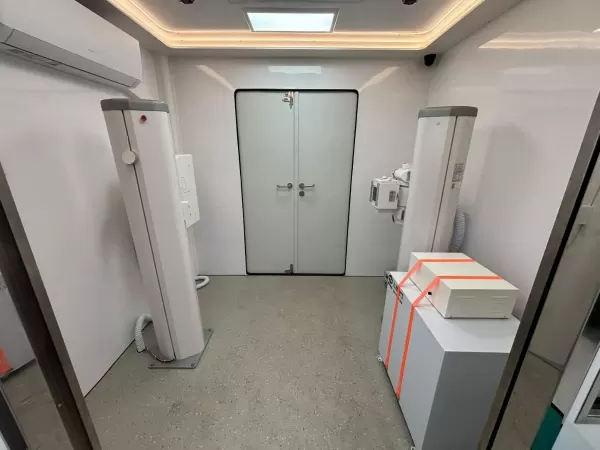
CLW builds mobile medical healthcare trucks as fitted ambulances, mobile clinic vans, dental and optometry clinics, sample-collection units and field hospitals. Also supplied as mobile medical vehicles for health ministries, NGOs and private hospital groups, each unit is engineered around your service list: insulated cabin, medical gas plumbing, autoclave and generator hookups, X-ray shield room, wheelchair lift, roof solar and side awning. Choose a 4x2 chassis for city routes or 4x4 for remote districts, with body lengths from 4.5 m van conversions to 9 m bus-based clinics.
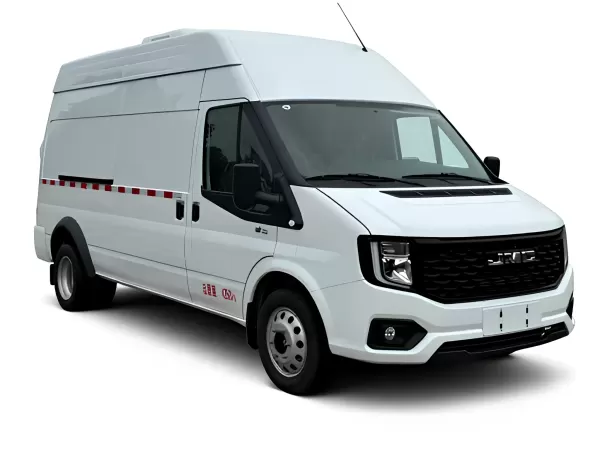
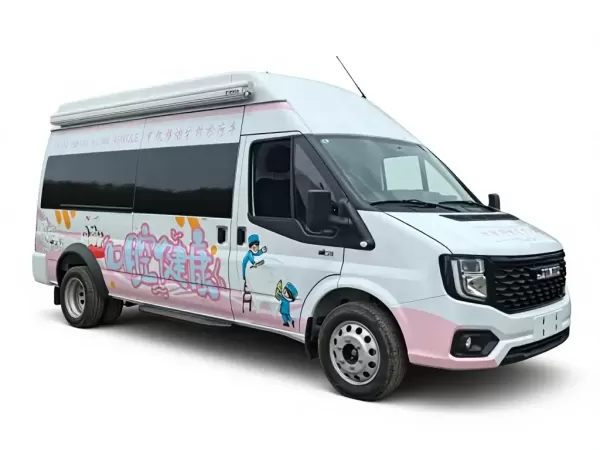
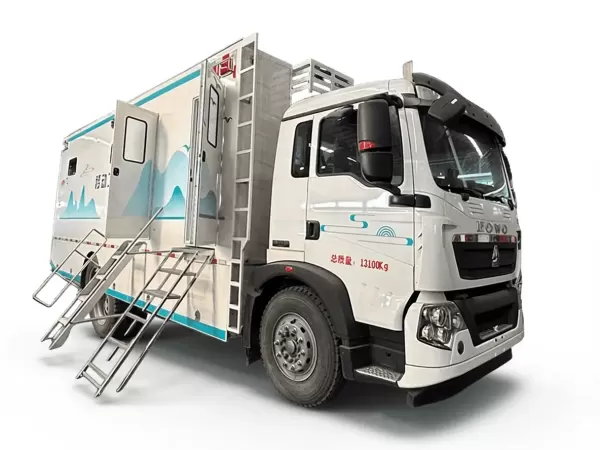
Clinic and lab vans are one- or two-room mobile medical units for primary care, maternal health, vaccination, dental and sample collection. Typical builds include an examination couch, sink, refrigerator, bench, autoclave and wheelchair lift, with shore power, generator and solar options for off-grid outreach. Layout follows patient flow - registration, triage, consultation, treatment and exit - rather than a catalogue floor plan.
Yes - we work from your equipment list and room program, then provide drawings for approval before body fabrication.
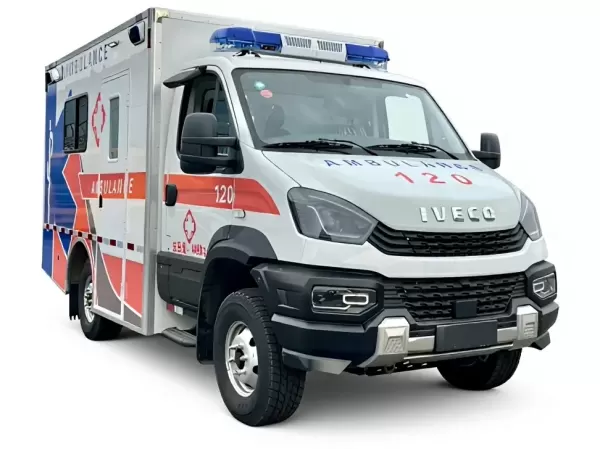
Choose the 4x4 off-road chassis variant with portal axles; the cabin mounts on an isolation subframe to protect calibration of medical equipment.
The terms overlap: mobile medical vehicle is the broad class, mobile clinic usually means a consultation or screening room on wheels, and mobile medical truck covers clinic, ambulance, dental, lab and field-hospital builds. CLW supplies all three on the same insulated body platform, so you can compare layouts on one quotation.
Price depends on chassis, body length, medical equipment and power system. A van-based screening clinic is the entry tier; a bus-based multi-room clinic or CT unit is the highest. Send your equipment list and vehicle count for an itemized factory quote within 12 hours; MOQ is one unit.
MOQ is one unit. Standard clinic and ambulance builds take 25-40 working days after drawing approval and deposit; complex CT, ICU or multi-room units take 45-60 working days. We send progress photos and a factory test video before shipment.
Vehicles are built to MIIT catalog requirements with ISO factory certification; export files include certificate of origin, commercial invoice, packing list, bill of lading and inspection report on request. We also prepare homologation documents for your local registration.
Yes. Specify roof solar, a diesel genset and UPS for continuous power; fresh, grey and waste water tanks are sized to the clinic shift. For remote outreach we can add a water purifier, autoclave drain and external hookup panel.
We build around equipment you specify. Where you ask CLW to source common items such as examination tables, autoclaves, oxygen systems or dental chairs, we confirm the brand and certificate before installation, so the finished unit matches your procurement list.
Yes. Send the equipment list with dimensions, weight, power and gas requirements; we design mounting, circuits and shielding around your items and confirm interfaces before production. Our team tests the installation at the factory with your equipment or a same-model dummy load.
Yes. Negative-pressure rooms use HEPA filtration, separate exhaust, pressure monitoring and sealed penetrations; we can combine them with a clean corridor and a decontamination compartment for screening and transfer work.
A 4.5-6 m van normally supports one clinician and one assistant; a 6-7.5 m body supports two rooms and two teams; an 8-12 m bus clinic supports four to six staff with separate consultation, treatment and reception areas. Tell us the service list and daily patient target.
ISUZU, DONGFENG, FOTON, JAC and SINOTRUK chassis in 4x2 for city routes and 4x4 for rural or flood response, with left- or right-hand drive. The chassis is selected for body length, equipment weight and the roads the unit will actually serve.
A mobile medical healthcare truck is a body built around a service list. The chassis is the least interesting decision; the layout, medical systems and workflow inside the box decide whether staff can actually use the unit. CLW builds the following configurations on the same insulated platform:
Layout choice is usually driven by patient flow: registration, triage, consultation, treatment, sample collection and exit. Overlapping those paths in a 4.5 m van is the most common design mistake; a 6-7.5 m body or a bus-based unit is often cheaper than rebuilding a cramped van later.
The body is a small hospital, so the systems have to be specified explicitly rather than left to a generic builder:
Tell us the equipment list, the number of staff and the daily patient target; we size the electrical, gas and water systems from those numbers and provide a single-line diagram with the quotation.
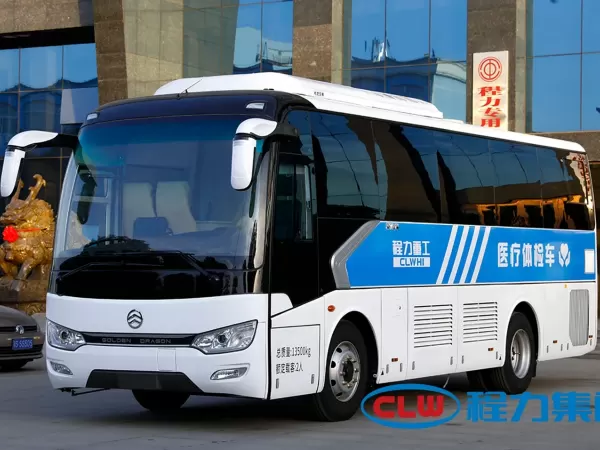
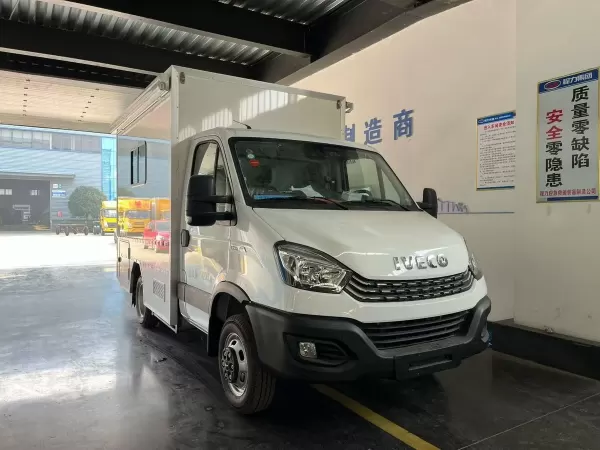
Three body families cover most programmes. Van conversions (4.5-6 m) are the lowest-cost entry point and suit one-room screening, vaccination and sample collection. Minibus and light-bus bodies (6-7.5 m) add a second room, standing height and a wheelchair lift without the cost of a full bus. Bus-based bodies (8-12 m) carry multi-room clinics, imaging and field-hospital layouts, with generator and water capacity for multi-day operation.
Chassis choice follows the roads and the registration class. A 4x2 ISUZU, DONGFENG, FOTON or JAC chassis handles city and highway work; 4x4 is specified for rural districts, flood response and unpaved roads. Check gross vehicle weight, axle loads and driver-licence class before ordering, because medical equipment and water tanks add weight quickly. Left- and right-hand drive are both available, and the body can be shipped as a complete vehicle or as a CKD kit for local assembly.
Factory-direct bands below exclude medical equipment unless CLW is asked to source it. They are indicative for standard layouts and will move with chassis brand, body length, medical gas, generator and insulation specification.
Lead time is 25-40 working days for standard clinic and ambulance builds after drawing approval and deposit, and 45-60 working days for CT, ICU or multi-room units. CLW sends progress photos and a factory test video before shipment, and can arrange sea freight, insurance and export documents.
Vehicles are built to MIIT catalog requirements in an ISO-certified factory, with certificate of origin, commercial invoice, packing list, bill of lading and inspection report supplied for export. Medical equipment carries its own manufacturer certificate and warranty; where local medical-device rules apply, we provide the technical file and test reports needed for your registration rather than claiming a certificate we do not hold.
After delivery, CLW supplies operator and maintenance training material, wiring and plumbing diagrams, a spare-parts list and a two-year body warranty. For fleet programmes we can schedule remote support, ship consumable kits with the vehicles and train your workshop team at the factory before shipment.
Main models: JMC Mobile Clinic Van for Community Health Screening IVECO Mobile CT Ambulance for Stroke Response JMC Mobile Dental Van for School & Community Care IVECO 4x2 Mobile Nucleic Acid Testing Van with P2 PCR Laboratory Dongfeng Tianjin 4x2 Mobile Clinic Truck Cummins 230HP Medical Shelter Van ISUZU KV600 4x2 Medical Imaging Truck 190HP Mobile Examination Vehicle
Related categories: Cold Chain Emergency Vehicles Campers Water Tankers Buying Guides Delivery Cases
Buying Guides: Mobile Clinic Truck Manufacturers 2026: Types, Configurations and Prices
Tell us your truck model and quantity — an engineer replies within 12 hours with a factory-direct price.
Tell us the model and your requirement — an engineer replies within 12 hours, factory direct.