CLW Chengli Special Automobile · Suizhou, China
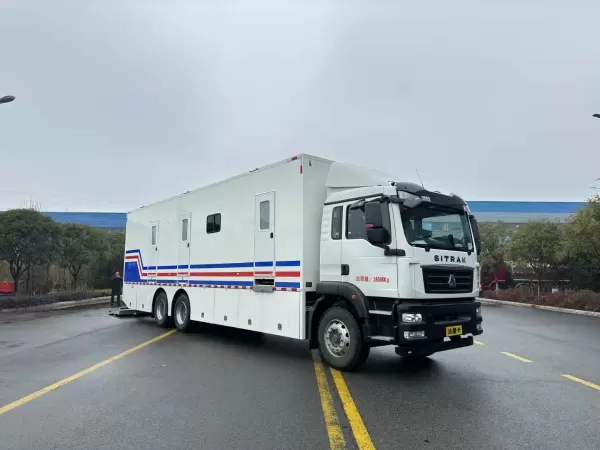
CLW builds mobile medical healthcare trucks as fitted ambulances, mobile clinic vans, dental and optometry clinics, sample-collection units and field hospitals. Also supplied as mobile medical vehicles for health ministries, NGOs and private hospital groups, each unit is engineered around your service list: insulated cabin, medical gas plumbing, autoclave and generator hookups, X-ray shield room, wheelchair lift, roof solar and side awning. Choose a 4x2 chassis for city routes or 4x4 for remote districts, with body lengths from 4.5 m van conversions to 9 m bus-based clinics.
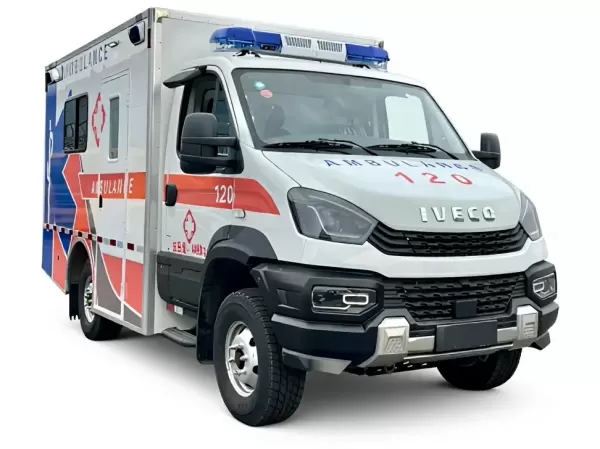
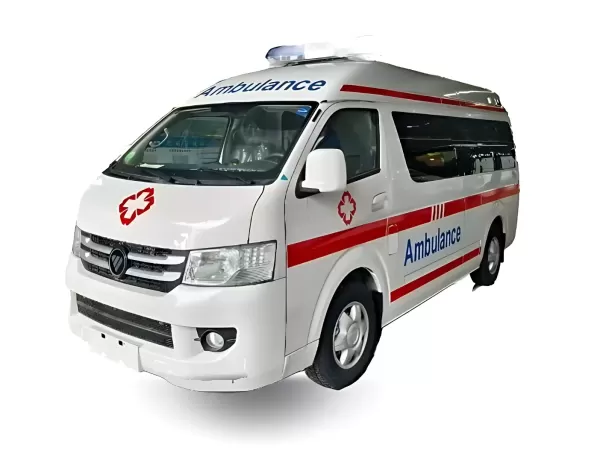
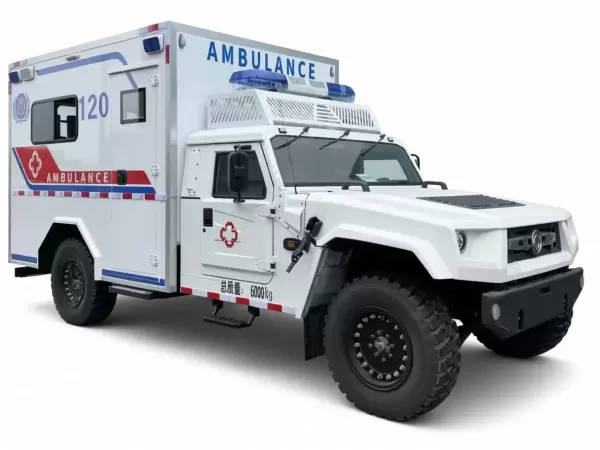
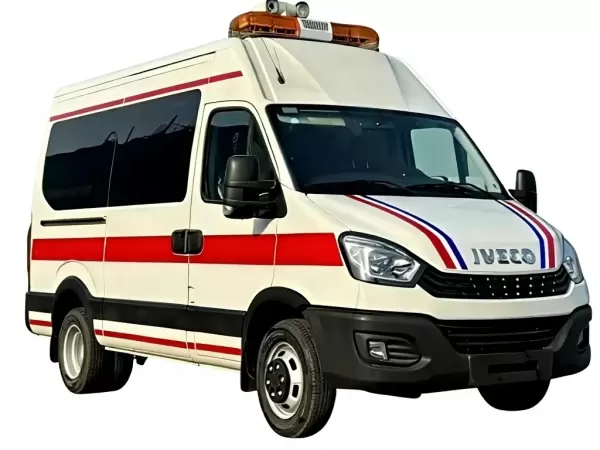
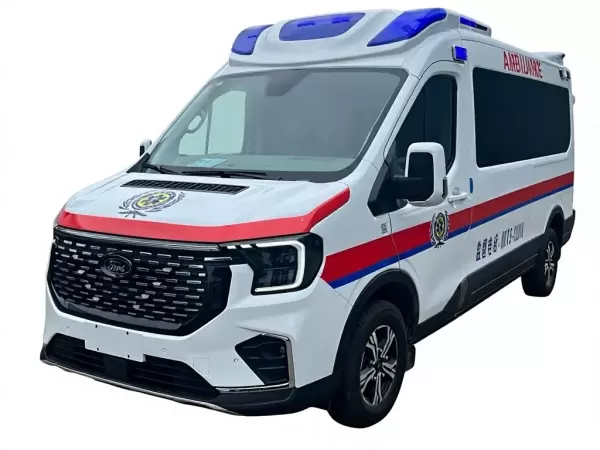
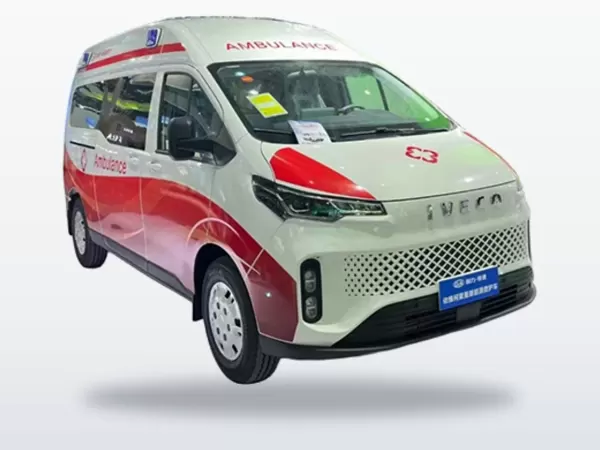
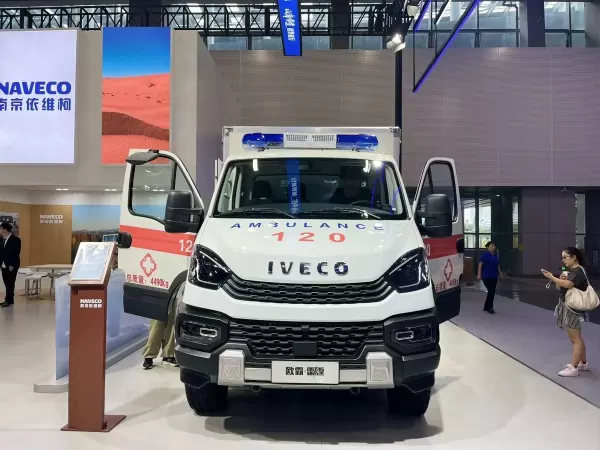
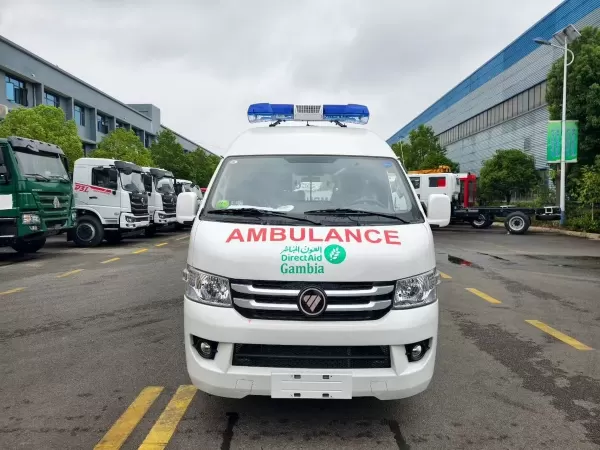
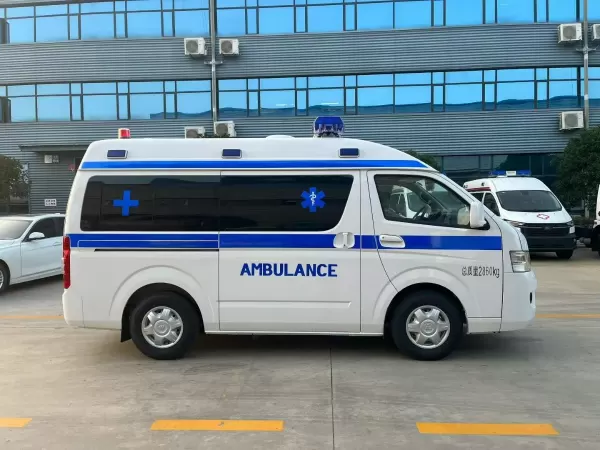
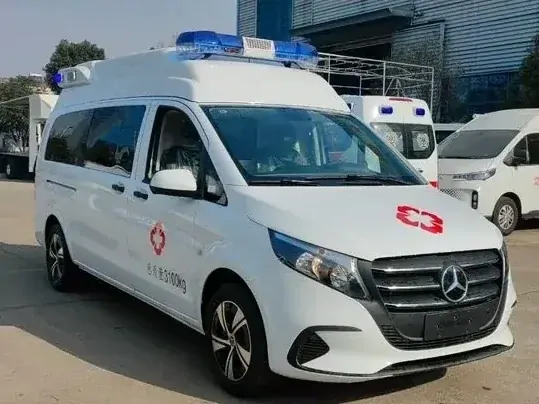
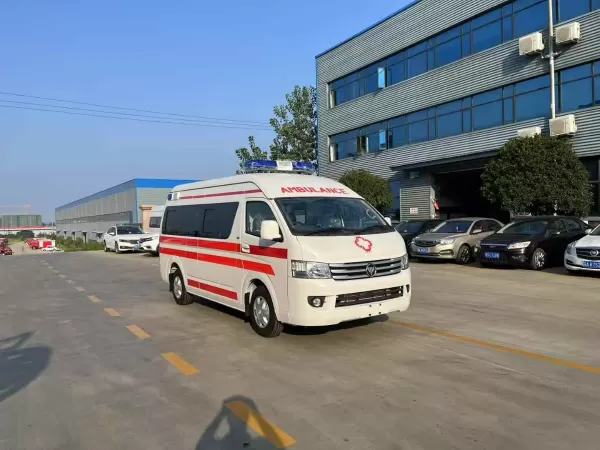
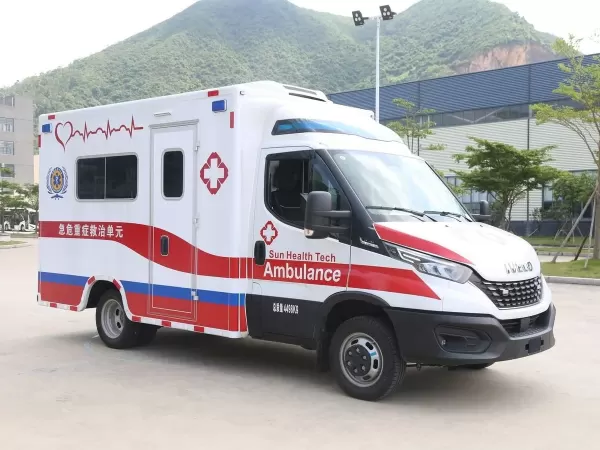
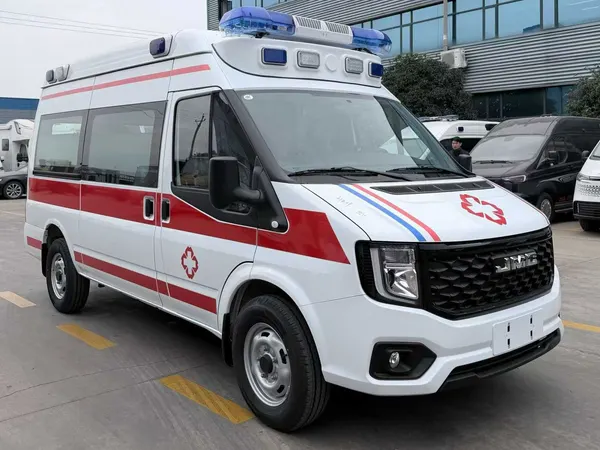
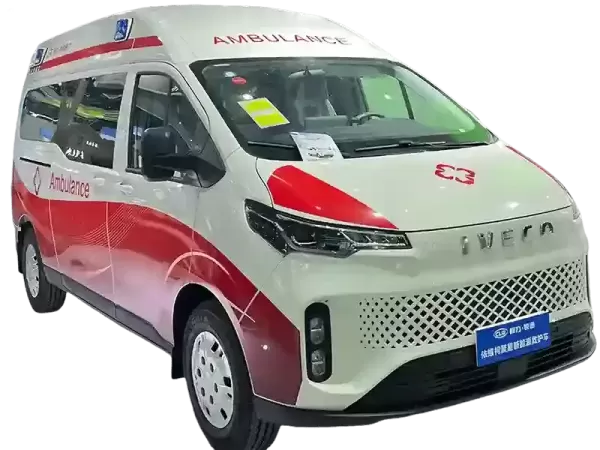
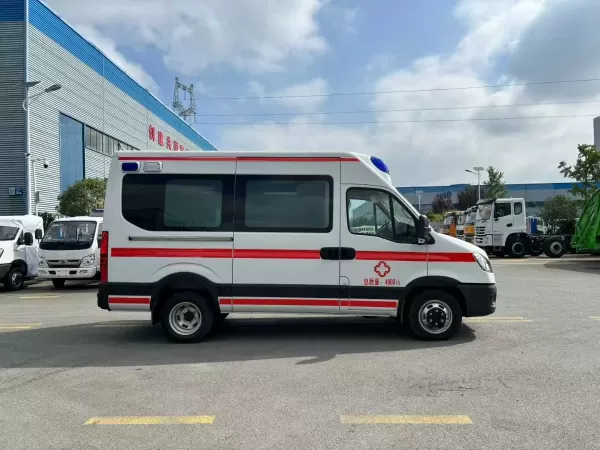
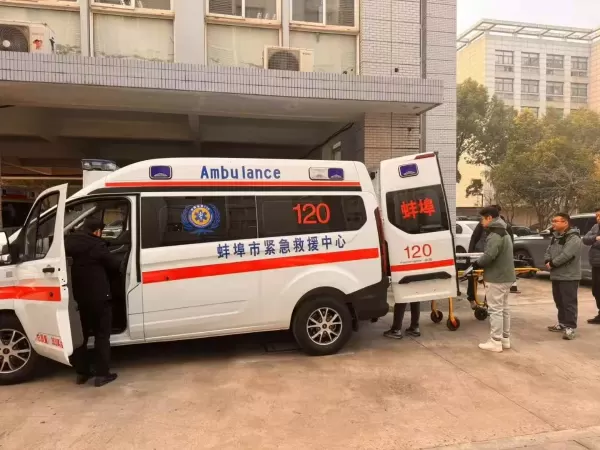
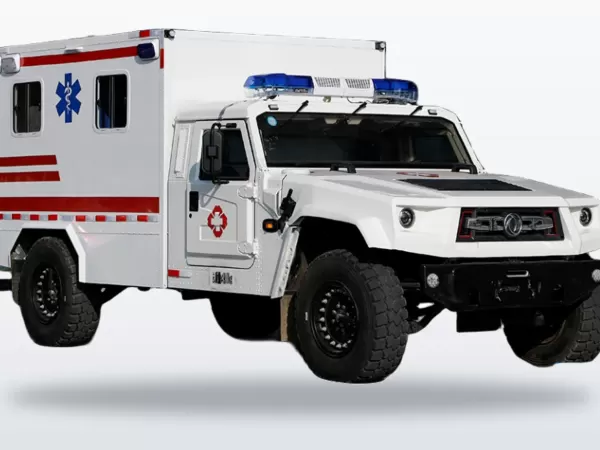
Ambulances on this page include transport, ICU-monitor, neonatal, electric and 4x4 off-road rescue units. Each body is built around the stretcher system, oxygen and suction, inverter power, scene lighting and infection-control layout; negative-pressure and HEPA filtration are available for infectious transfers. Tell us the response profile, crew size and local registration class and we will match chassis, body length and medical systems. Ambulance types are usually defined by the level of care the unit can deliver rather than by body shape. Under EN 1789, Type A is a patient-transport ambulance, Type B a basic life-support emergency ambulance and Type C a mobile intensive care unit; tenders use the same split as transfer, monitor/ICU and advanced life support. Our range follows it: transfer ambulances on IVECO Daily, Foton Toano and Ford V362 chassis, monitor and ICU conversions with equipment walls and inverter power, 4x4 off-road bodies and battery-electric units for zero-emission city response. Box length is a poor guide on its own - an ICU conversion on the same 5.99 m body carries more power, oxygen and storage than a transfer unit - so choose by crew, equipment list and registration class, then size the chassis.
The common classification is by care level: Type A patient-transport ambulance for scheduled moves and discharge, Type B basic life-support ambulance for emergency response with oxygen, suction and defibrillation, and Type C mobile intensive care unit with a monitor, ventilator and drug storage. Off-road 4x4, neonatal and electric ambulances are variants of these three. Tell us which level your service must provide; body length is then a consequence, not the starting point.
Start from the response the service actually runs: crew size, the equipment that must be fixed in the box, the number of stretcher positions and whether the unit works on paved roads or rough terrain. A transfer design needs a stretcher system, seating and good access; an ICU design adds an equipment wall, inverter and battery power, an oxygen manifold and more storage, which usually means a longer wheelbase and a heavier chassis. Negative-pressure and HEPA filtration are specified for infectious transfers.
It runs in five steps: you send the response profile, equipment list and local registration class; we propose the chassis, box length and medical layout with a line-item quotation; you approve the drawings and pay the deposit; the body and medical fit-out are built and photographed at the factory; and the unit ships with export documents, a spare-parts list and an operator manual. Buyers using donor funding usually ask for the drawing package and photo report at each stage before releasing payment.
A Chinese ambulance is a body built and fitted out in China on a chassis sold in that market, such as IVECO Ousheng or Daily, Foton Toano, Ford V362 or a Dongfeng 4x4. It is supplied complete (CBU) or as CKD kits for local assembly, in left- or right-hand drive, with the medical equipment specified by the buyer rather than a fixed catalogue list. Registration rules differ by country, so confirm the local type-approval route before fixing the layout.
A mobile medical healthcare truck is a body built around a service list. The chassis is the least interesting decision; the layout, medical systems and workflow inside the box decide whether staff can actually use the unit. CLW builds the following configurations on the same insulated platform:
Layout choice is usually driven by patient flow: registration, triage, consultation, treatment, sample collection and exit. Overlapping those paths in a 4.5 m van is the most common design mistake; a 6-7.5 m body or a bus-based unit is often cheaper than rebuilding a cramped van later.
The body is a small hospital, so the systems have to be specified explicitly rather than left to a generic builder:
Tell us the equipment list, the number of staff and the daily patient target; we size the electrical, gas and water systems from those numbers and provide a single-line diagram with the quotation.
Three body families cover most programmes. Van conversions (4.5-6 m) are the lowest-cost entry point and suit one-room screening, vaccination and sample collection. Minibus and light-bus bodies (6-7.5 m) add a second room, standing height and a wheelchair lift without the cost of a full bus. Bus-based bodies (8-12 m) carry multi-room clinics, imaging and field-hospital layouts, with generator and water capacity for multi-day operation.
Chassis choice follows the roads and the registration class. A 4x2 ISUZU, DONGFENG, FOTON or JAC chassis handles city and highway work; 4x4 is specified for rural districts, flood response and unpaved roads. Check gross vehicle weight, axle loads and driver-licence class before ordering, because medical equipment and water tanks add weight quickly. Left- and right-hand drive are both available, and the body can be shipped as a complete vehicle or as a CKD kit for local assembly.
Factory-direct bands below exclude medical equipment unless CLW is asked to source it. They are indicative for standard layouts and will move with chassis brand, body length, medical gas, generator and insulation specification.
Lead time is 25-40 working days for standard clinic and ambulance builds after drawing approval and deposit, and 45-60 working days for CT, ICU or multi-room units. CLW sends progress photos and a factory test video before shipment, and can arrange sea freight, insurance and export documents.
Vehicles are built to MIIT catalog requirements in an ISO-certified factory, with certificate of origin, commercial invoice, packing list, bill of lading and inspection report supplied for export. Medical equipment carries its own manufacturer certificate and warranty; where local medical-device rules apply, we provide the technical file and test reports needed for your registration rather than claiming a certificate we do not hold.
After delivery, CLW supplies operator and maintenance training material, wiring and plumbing diagrams, a spare-parts list and a two-year body warranty. For fleet programmes we can schedule remote support, ship consumable kits with the vehicles and train your workshop team at the factory before shipment.
Main models: IVECO Daily ICU Ambulance for Critical Care Transport FOTON View G9 Ambulance 5-7 Seats for Clinic Response Brand New High Quality Dongfeng Warriors 4x4 Ambulance for Off-Road Rescue IVECO Gas-Rescue Vehicle with SCBA for Confined-Space Teams FORD T8 Monitor Ambulance Large Cabin for ICU Teams IVECO Long Wheelbase Electric Ambulance For Sale, 88.8kWh Battery Patient Transfer Monitoring Type Electric Ambulance For Hospital Emergency Medical Rescue
Related categories: Cold Chain Emergency Vehicles Campers Water Tankers Buying Guides Delivery Cases
Buying Guides: Mobile Clinic Truck Manufacturers: Types, Configurations and Prices
Tell us your truck model and quantity — an engineer replies within 12 hours with a factory-direct price.
Tell us the model and your requirement — an engineer replies within 12 hours, factory direct.