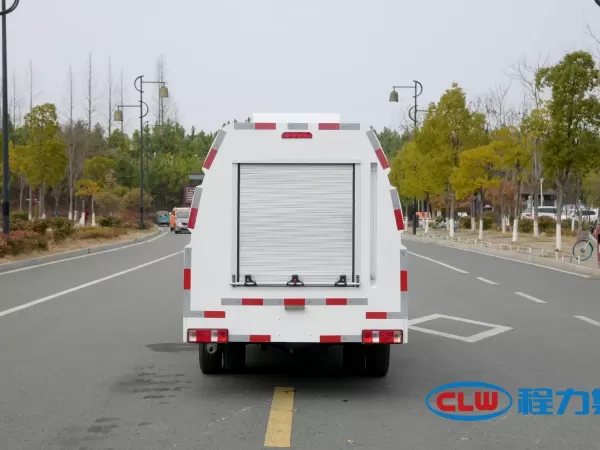
Road construction trucks for pothole patching, asphalt distribution, tack coating and pavement maintenance. Compare hopper capacity, spray bars, compaction equipment and chassis for urban or highway crews.
Yes - patcher truck with asphalt feeder, air compressor, tack-coat spray and a plug roller or plate compactor, plus consumables starter kit.
The 3-5 t light 4x2 trucks turn in alley streets yet haul a full patching crew; larger distributor bodies sit on 6x2 carriers for highway jobs.
Price depends on body type, hopper or tank capacity, spray bar, compaction equipment and chassis. A light 4x2 pothole patcher is the entry tier; a heated bitumen distributor or recycling body on a 6x2 carrier is higher. Send the road length and repair type for a quote.
MOQ is one unit. Standard patchers and distributors ship in 20-35 working days after deposit; recycling and custom bodies take 30-45 working days.
A combination patcher can carry hot mix, tack coat, air compressor and a plate compactor for potholes; crack sealing needs a separate melter or a distributor with a hand lance. We can quote both bodies on matching chassis.
MIIT and ISO certification, certificate of origin and inspection report. The vehicle carries a two-year warranty with spare-parts supply and operator training material.
Hot bitumen needs an insulated tank with a burner and gives a fast-setting seal on warm dry pavement; emulsion can be sprayed cold, which simplifies handling and cleaning but needs longer curing and does not suit every seal design. Tell us what your supplier stocks and the seal type you use, and the tank insulation, burner and spray bar are specified together.
Spray rate is chosen from the seal or tack coat design, usually between 0.3 and 1.5 L/m2 depending on the aggregate and the existing surface. The rate must be calibrated with a measured run on site, not only from the dial. An intelligent distributor meters the pump against measured road speed, so the rate stays constant when the truck slows for a junction.
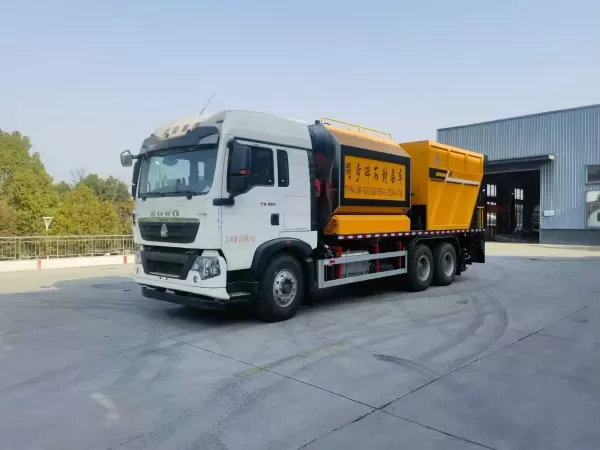
A synchronous chip sealer sprays the binder and spreads aggregate in one pass, which gives a better bond and avoids traffic running on wet binder between passes. It costs more than a distributor plus a separate chipper and needs aggregate loaded to suit the work. For small contracts, a separate distributor and a chip spreader can still be the lower-cost route.
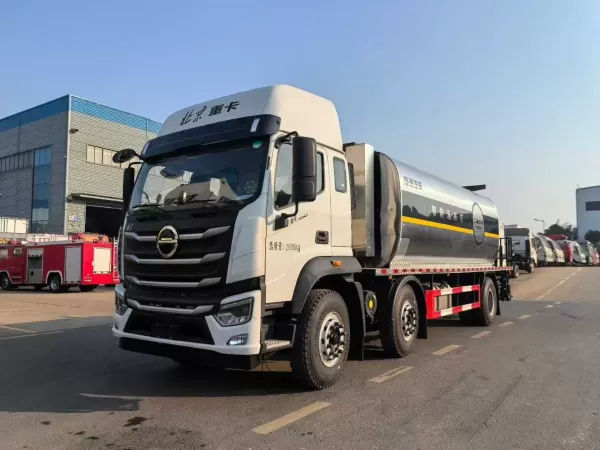
Road maintenance trucks divide into three jobs: spraying binder, sealing the surface, and patching a defect. CLW builds asphalt distributor trucks of 4,000-10,000 L with insulated tanks and hand or automatic spray bars, synchronous chip sealers that spray binder and spread aggregate in one pass, and road patching machines that carry material, a heater and a roller for pothole repair.
The seal design, not the truck, sets the spray rate and the aggregate size; the truck must be able to hold them accurately all day.
Five inputs define the distributor and the crew:
Send the seal design, the binder supplier's data sheet and the road width. CLW confirms tank volume, heating system, bar width and control type, and supplies the calibration procedure for the rate you intend to use.
Factory-direct FOB bands for standard specifications; a budget framework, not a quotation.
Compare tank insulation and heater output, spray bar nozzle count and spacing, pump type, control system, aggregate hopper volume and conveyor drive. A cheap distributor often loses heat faster than the seal programme allows, and the binder arrives on the road too cold to bond.
CLW builds road maintenance bodies on MIIT-approved chassis in an ISO-certified factory. Export files include certificate of origin, invoice, packing list, bill of lading and inspection report on request. The spray bar, pump and heating system are tested before shipment and the test record ships with the truck.
Lead time is typically 25-40 working days for standard distributors after deposit, and 35-55 working days for synchronous sealers and patching machines. Units ship by RoRo, flat rack or container depending on size and bar width. CLW provides loading plans, commissioning checks and the operator calibration sheet before dispatch.
Road maintenance equipment works hard for a season and then stands, so maintenance is divided between in-season checks and storage preparation. In season, clean the spray bar and nozzles after every shift, check strainers and the pump seal, and confirm the burner or heater reaches the binder temperature. Calibrate the spray rate with a measured run whenever the binder or bar changes.
Before storage, drain and clean the tank and lines, leave the bar and valves clear, service the burner, and store the aggregate hopper empty and dry. Check the chassis brakes, tyres and lighting as for any truck, and inspect the tank insulation and exterior for water ingress. CLW supplies nozzle sets, seals, hoses and the calibration chart with each unit.
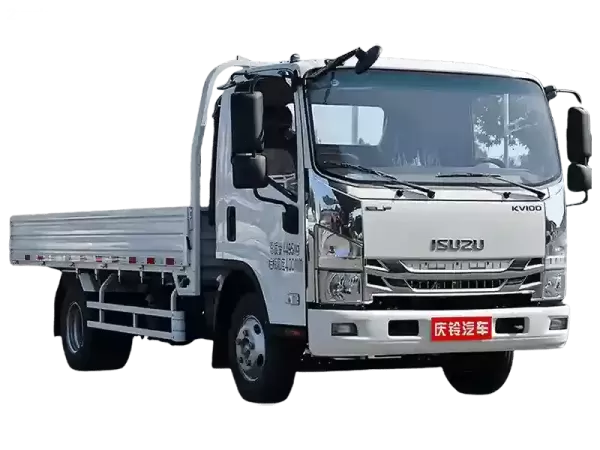
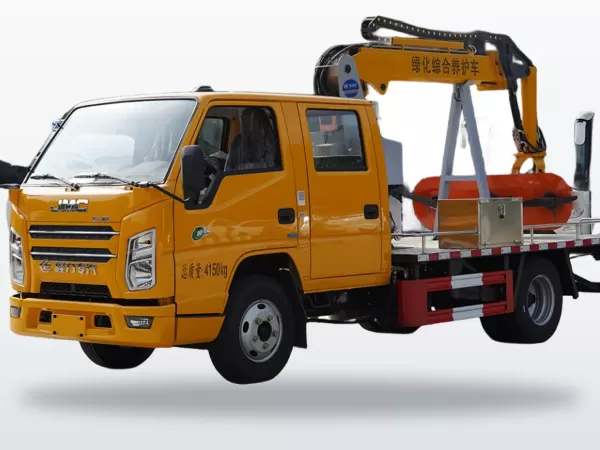
Main models: HOWO 12cbm Asphalt Distributor for Major Projects ISUZU KV100 Light Stake-Side Cargo Truck for Farm Hauls SINOTRUK 6x4 Synchronous Chip Sealer for Long Sections Hedge Trimming Truck with 4 m Boom for Roadside Green Changan Crack Sealing & Road Patching Truck for Depots
Related categories: Dump Trucks Concrete Mixers Road Sweepers Cranes Buying Guides Delivery Cases
Tell us your truck model and quantity — an engineer replies within 12 hours with a factory-direct price.
Tell us the model and your requirement — an engineer replies within 12 hours, factory direct.