CLW Chengli Special Automobile · Suizhou, China
CLW sanitation trucks cover municipal street cleaning and liquid-waste collection: road sweepers with twin brooms and 4-12 m3 debris boxes, sewage and fecal suction trucks with 4-16 m3 sealed tanks and Roots or liquid-ring pumps, combination jetting units, and garbage compactor bodies. The series serves city contracts, septic tank emptying, storm drain maintenance and industrial cleaning, with 4x2 light chassis for narrow streets and 6x4 units for trunk routes.
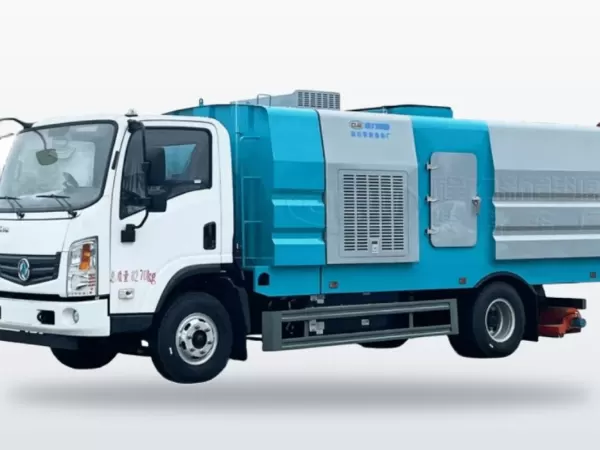
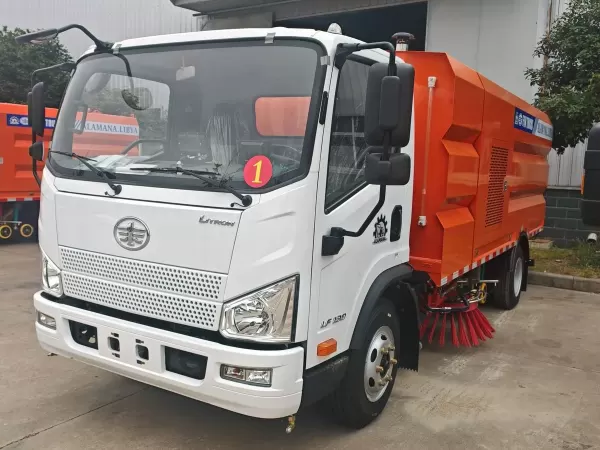
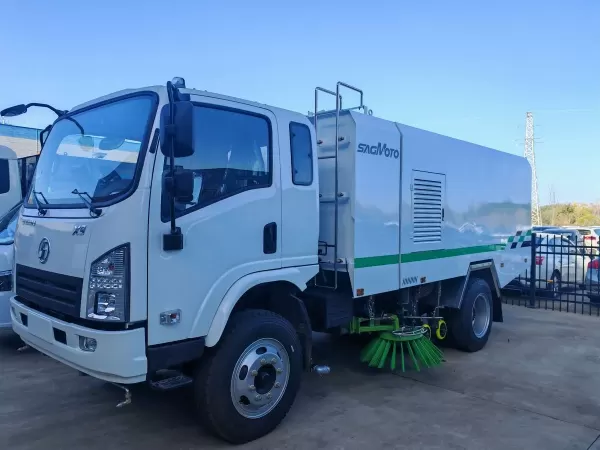
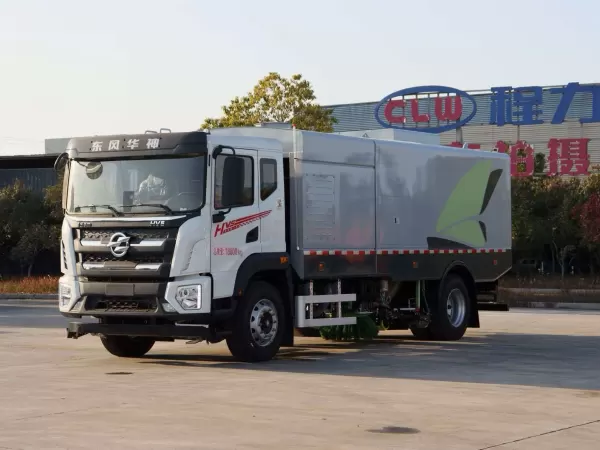
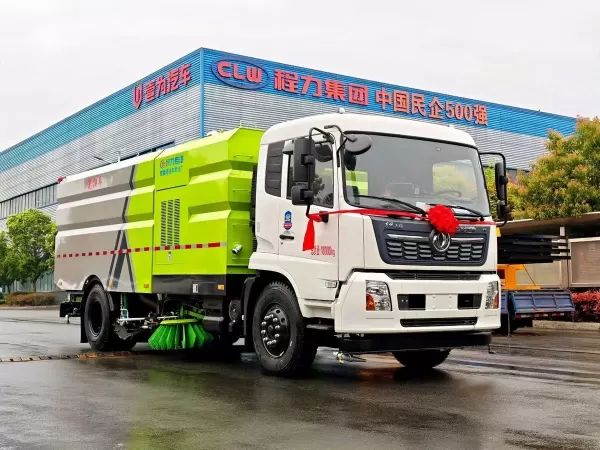
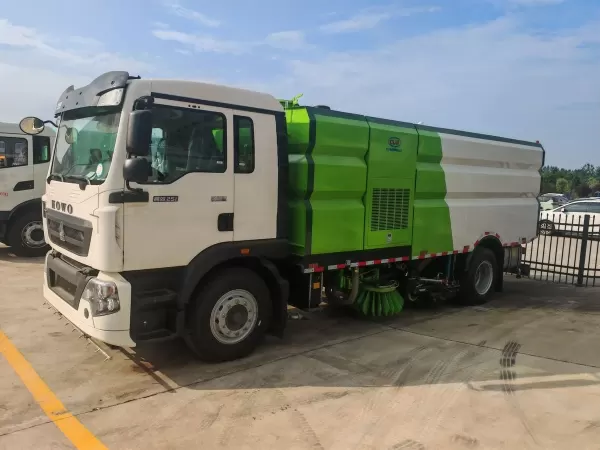
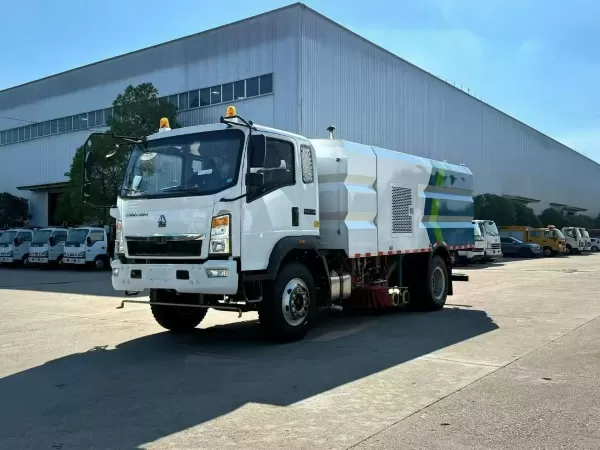
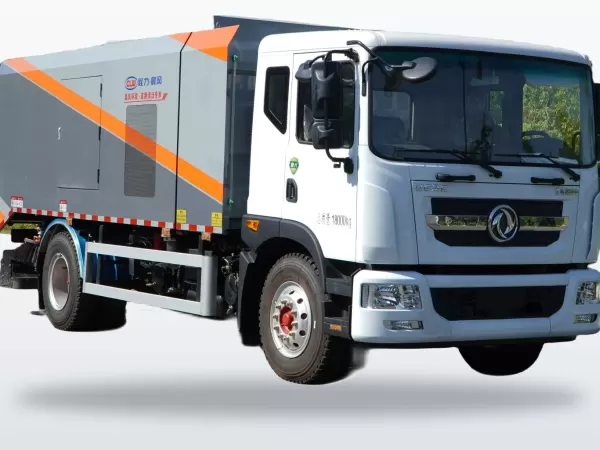
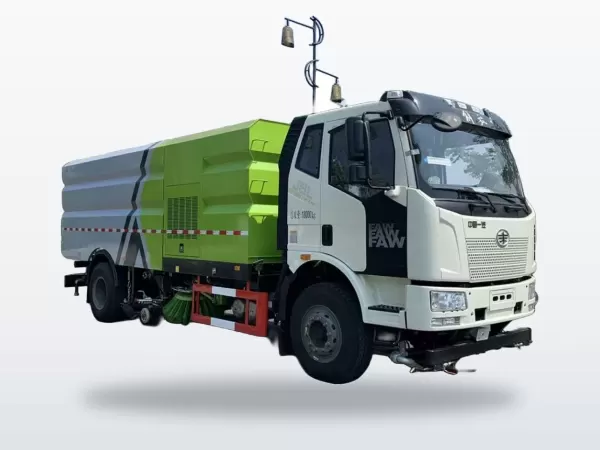
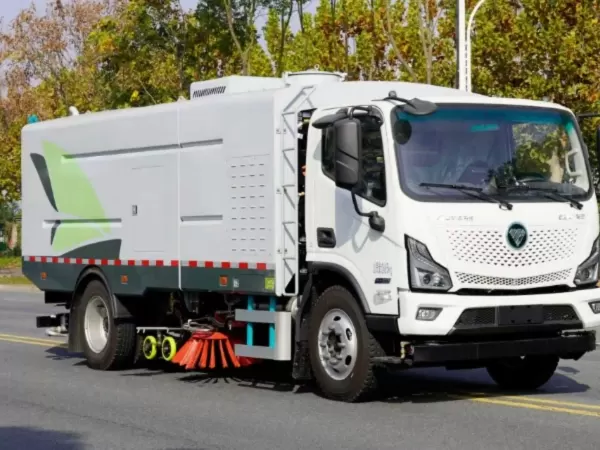
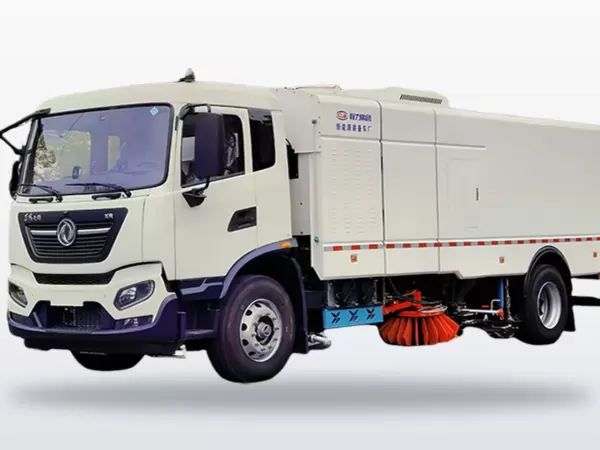
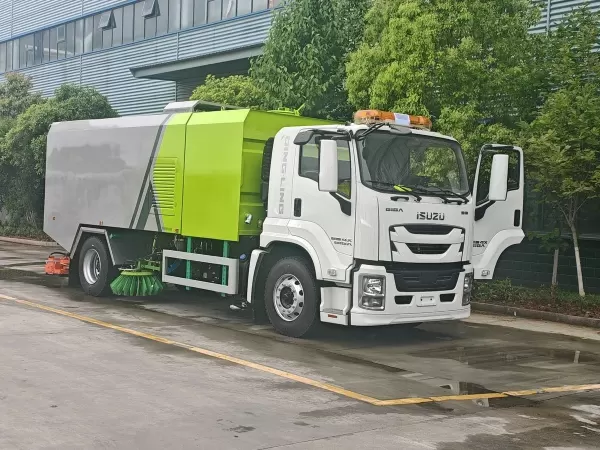
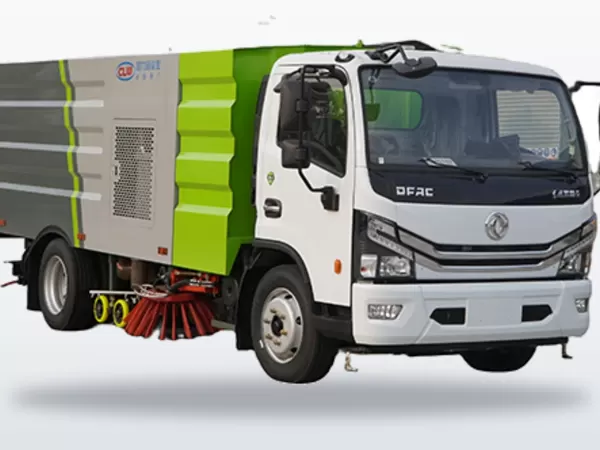
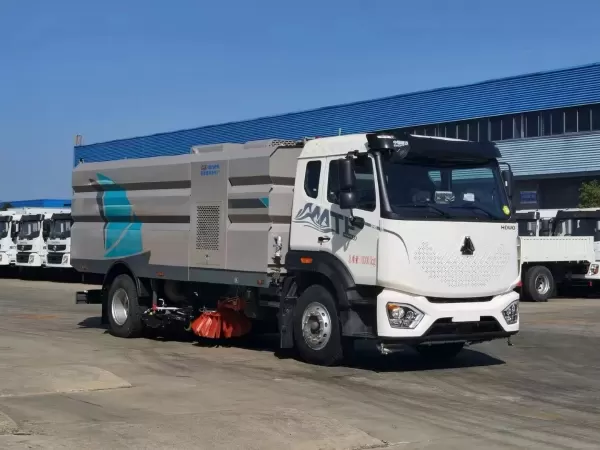
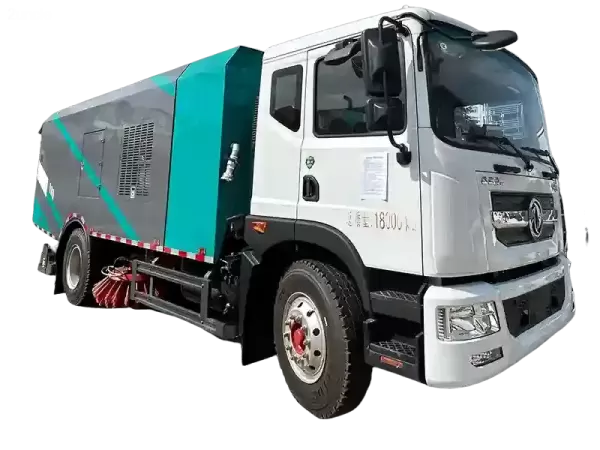
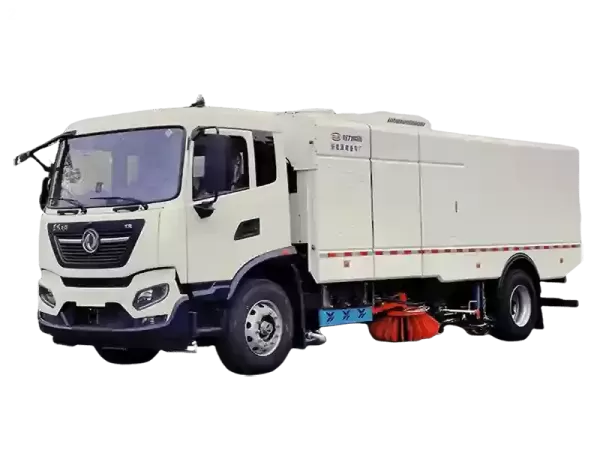
Road sweeper trucks combine a suction and brush system with a 4-12 m3 hopper and water tank for street, yard and airport cleaning. Sweep width runs 3-6 m with a wander hose for kerbs and drains; vacuum or mechanical sweeping can be combined. Tell us the surface type, debris mix and shift length to match body volume and chassis.
Sweepers clean streets and sidewalks, sewage suction trucks empty septic tanks and drains, and compactor trucks collect household waste. Most municipal contracts need a fleet mix rather than one model; send the route length, waste volume and drain depth and CLW proposes the combination.
Price depends on the body type, tank or hopper volume, pump package and chassis. A 4x2 street sweeper or 5 m3 suction truck is the entry tier; a 6x4 12-16 m3 combination unit is the heavy tier. Send the duty cycle for a line-item quote.
With a Roots pump the practical suction depth is 8-15 m vertical. CLW sizes pump displacement, typically 300-600 m3/h, against hose diameter to hold rated flow at working vacuum.
MOQ is one unit. Standard sweepers and suction trucks ship in 20-35 working days after deposit; combination jetting and stainless bodies take 30-45 working days.
Yes. Combination units add a high-pressure jetting reel and lance to the suction body, so one crew clears a blockage and evacuates the spoil in the same visit. Separate sweepers remain more productive for long street routes.
MIIT and ISO certification, certificate of origin, invoice, packing list and bill of lading. The whole vehicle carries a two-year warranty with lifelong genuine spare-parts supply and operator training material.
Sweep width is typically 3-6 m with the side broom extended, but the chassis width decides whether the truck fits a lane. A 4x2 unit with a short wheelbase works in narrow streets; tell us the narrowest passage and the turning radius so the chassis and broom layout match.
Jet pressure and nozzle size set the flow, and the tank sets how long you can work before refilling. Most municipal jetters run 150-250 bar from a 4-8 m3 tank; tell us the drain diameter and blockage type, and confirm the refill point before choosing tank size.
Yes, with the right hose set and pump displacement. Septic work needs a smaller hose and high vacuum; storm drains need a larger hose and higher flow. A combination jetter adds water jetting for blockages but costs more than a suction-only unit.
Municipal sanitation is a fleet, not a single truck. CLW builds street sweepers with twin brooms and 4-12 m3 debris boxes, sewage suction trucks with 4-16 m3 sealed tanks and Roots or liquid-ring pumps, combination jetting units with 150-250 bar water, and compactor bodies for household waste.
A city contract usually needs sweepers for visible streets, suction units for drains and tanks, and compactors for household waste; buying one type for all three duties wastes crew time.
Define the duty before the body:
Send the route, daily volume and drain data with the destination port; CLW proposes a fleet mix and confirms tank, pump and body volumes before deposit.
Factory-direct FOB bands; a budget framework, not a quotation.
Compare sweep width, debris box volume, pump flow and vacuum, jetting pressure, tank steel and hose package. A low suction price often hides a smaller pump or a single-stage system that cannot hold vacuum at depth.
CLW builds sanitation bodies on MIIT-approved chassis in an ISO-certified factory. Pumps, sweepers and jetting systems are run-tested before shipment, and test records are supplied with the export documents: certificate of origin, invoice, packing list, bill of lading and inspection report on request.
Lead time is typically 20-35 working days for standard sweepers and suction trucks after deposit, and 30-45 working days for combination jetting and stainless bodies. Small 4x2 units ship in a 40FT container or on a flat rack; 6x4 units move by RoRo. Loading photos, lifting points and blocking instructions are provided before departure.
Sweeper and suction maintenance is dominated by the pump and the tank. Check the vacuum pump oil, belt and filter on schedule, keep the tank relief valve and vacuum gauge working, and inspect hoses and quick couplings for cracks before each shift. A falling vacuum usually means a leaking hose, a worn pump or a blocked filter.
For jetting units, test the pressure relief and lance trigger before use, never point the lance at people, and keep the water tank strainer clean. Wash the debris box and tank at the end of the shift and drain at the designated point. CLW supplies pump seals, hoses, nozzles, broom bristles and the body drawing with each truck.
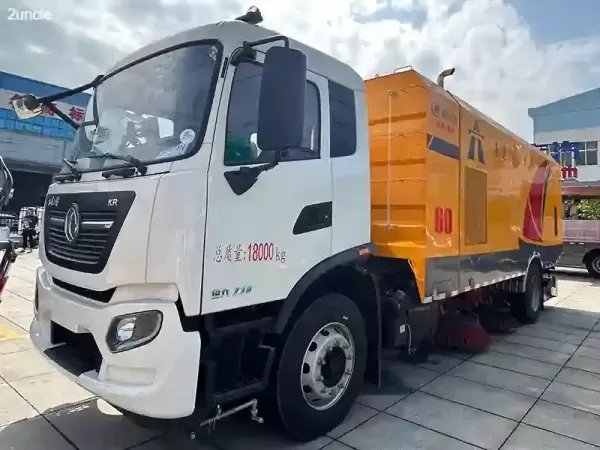
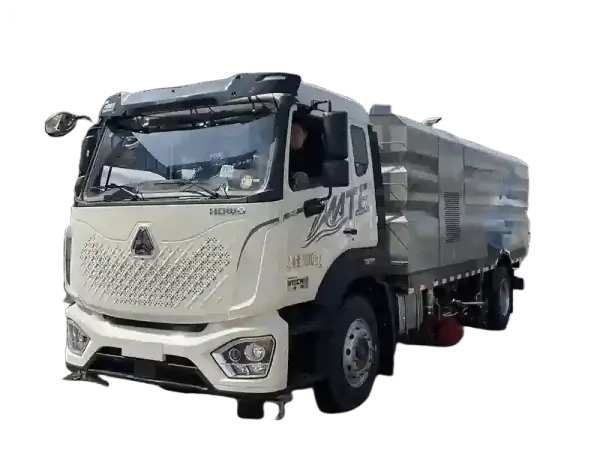
Main models: Dongfeng 4X2 Vacuum Sweeper Truck for All-Season Street Sweeping FAW 4x2 Road Sweeper Truck Regenerative Street Sweeper with Side Brooms and Water Tank SHACMAN Xuande X9 4x2 Road Sweeper Truck 8T Compact Street Sweeper with Side Brooms DONGFENG 18T Pure Electric Road Sweeper | 3.5m Sweeping Width, 9m3 Water Tank, Fast Charging Dongfeng Tianjin KR 4x2 Road Sweeper Truck 18T Cummins Sweep-Wash Street Sweeper SINOTRUK HOWO NX 4x2 220HP Road Sweeper Truck 18T Street Sweeper for Export
Related categories: Garbage Trucks Tanker Trucks Cargo & Dump Trucks Emergency Fleet Buying Guides Delivery Cases
Tell us your truck model and quantity — an engineer replies within 12 hours with a factory-direct price.
Tell us the model and your requirement — an engineer replies within 12 hours, factory direct.