CLW Chengli Special Automobile · Suizhou, China
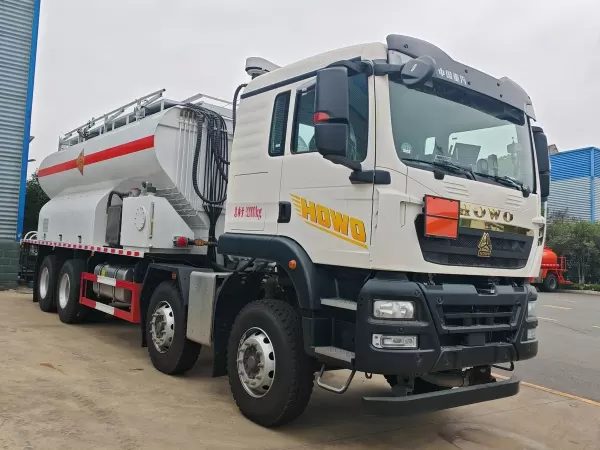
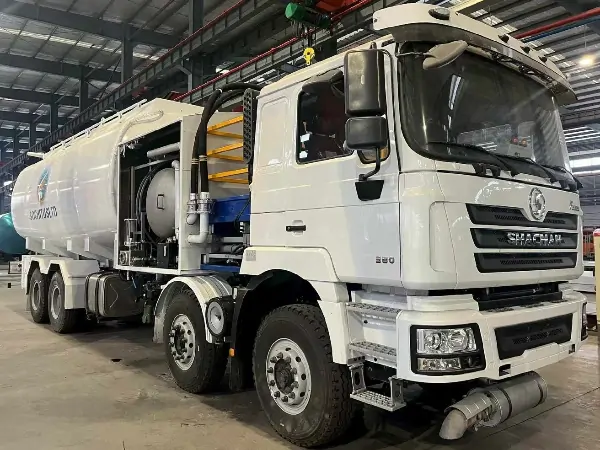
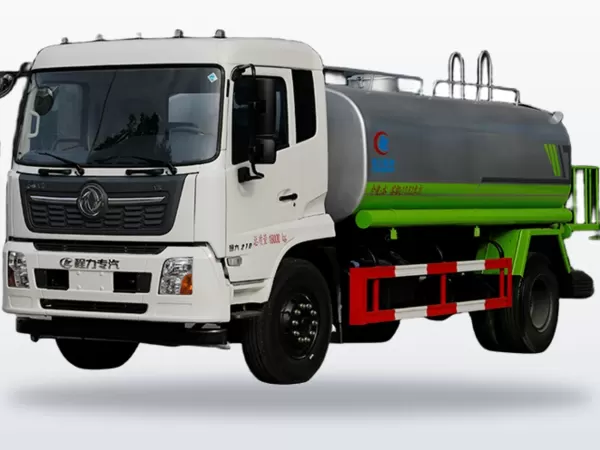
CLW fabricates tanker trucks from 5,000 to 30,000 liters in carbon steel, stainless steel and aluminum, welded on our own tank line with X-ray inspected seams. Fuel tanker trucks ship with API pump, flow meter, vapor recovery and multi-compartment bulkheads; water tanker trucks use food-grade 304 lining for drinking water duty; chemical and LPG tankers are built to the medium and pressure class. Choose 4x2 for in-city distribution or 6x4 and 8x4 for depot and highway routes.
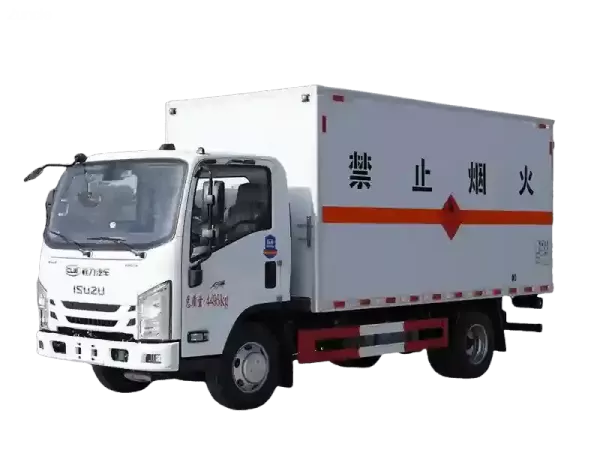
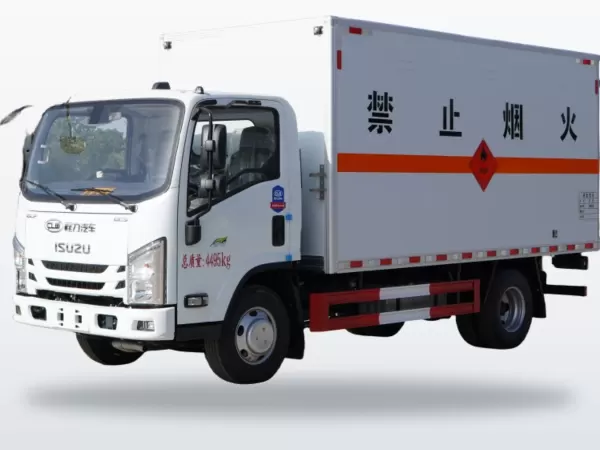
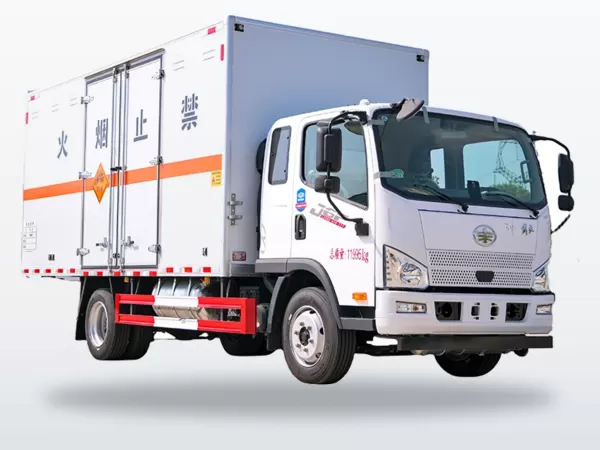
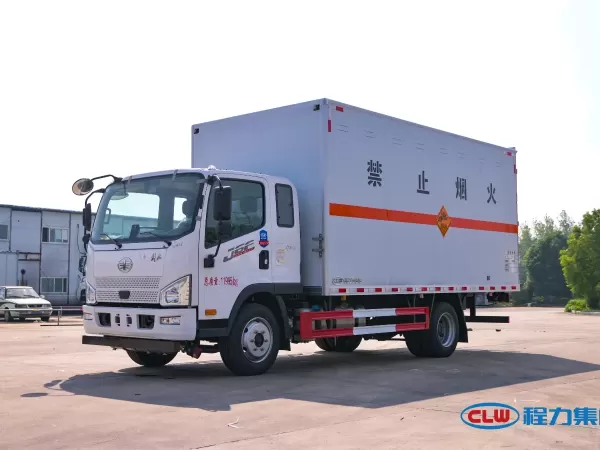
Dangerous goods trucks - also searched as flammable truck, ADR truck or hazardous cargo tanker - carry the tank, grounding, emergency shut-off, fire extinguisher and placarding required by the class of goods. Fuel, chemical and LPG bodies are built with pressure or vacuum relief, anti-static provision and sealed electrical fittings, and ship with material and pressure-test records. Tell us the UN class, flash point and volume per trip before design.
Fuel tanks use 5 mm carbon or stainless steel with welded baffles and anti-static bands; potable water tanks add a food-grade 304 stainless or epoxy lining. Chemical tankers are sized per the medium's concentration.
Yes. CLW installs 60-150 L/min vane or centrifugal pumps with batch or totalizing flow meters, nozzle reels and vapor recovery as a factory-built fuel dispenser truck.
Export price depends on volume, tank material, compartment count, pump and metering package, and chassis. A 4x2 5,000-8,000 L water tanker is the entry tier; a 6x4 20,000 L fuel tanker with API pump and flow meter is mid-to-heavy. Send the product, volume and route for a line-item quote.
Two to six compartments with individual manholes, ball valves and bottom outlets are common. Multi-compartment builds let one truck deliver several fuel grades or water plus fuel per route; baffles are welded to reduce surge.
Yes. LPG tanks are pressure vessels with approved heads, valves and grounding; chemical tankers use stainless steel or epoxy lining matched to the medium concentration. Tell us the product, density and pressure class before design.
Certificate of origin, commercial invoice, packing list, bill of lading, ISO factory certificate and inspection report on request. For fuel and dangerous goods we also prepare material certificates, pressure-test records and the matching export documentation.
MOQ is one unit. Standard water and fuel tankers take 20-35 working days after deposit; LPG, chemical and multi-compartment builds take 30-50 working days. Factory test includes pump flow, meter calibration and leak test.
Small 4x2 units can ship in a 40FT container or flat rack; 6x4 and 8x4 tankers normally ship by RoRo or flat rack. CLW prepares the lifting points, blocking and shipping documents and sends loading photos before departure.
Yes - tank truck, tanker truck, tanker lorry and road tanker are trade names for the same vehicle family. The distinction that matters is the medium and the tank specification, not the label used by the seller.
Use 304 stainless steel or an epoxy-lined carbon-steel tank with food-grade manholes, seals and fittings. Carbon steel without lining is not suitable for potable water, and the spray or fire circuit must not share fittings with the drinking-water line.
Common export sizes are 5,000, 8,000, 10,000, 15,000, 20,000 and 25,000 L, with 30,000 L on 8x4 chassis. The legal limit is set by axle and bridge loading in your country, so confirm the registration class before choosing the largest tank.
Yes. Right-hand drive, local-spec tyres, batteries, lighting and emission packages are available where the chassis supplier offers them. Tell us the destination country and registration rules at quotation stage.
A 4x2 10,000 L fuel tanker usually has a kerb weight of 6-8 tonnes and a gross weight of 16-18 tonnes; a 6x4 20,000 L tanker runs 11-14 tonnes empty and 26-31 tonnes gross. Tanker weight depends on tank material, shell thickness, baffles, pump package and chassis, so ask for the weighbridge ticket rather than a brochure figure.
Common fuel truck capacities are 5,000, 8,000, 10,000, 15,000, 20,000 and 25,000 L, with 30,000 L on an 8x4 chassis. Usable delivery volume is slightly below the nominal tank because of vapour space and bulkheads, and the legal axle load in the destination country is the real limit.
Yes. CLW builds aircraft refueling trucks, airplane refueling trucks and helicopter fuel trucks with filter-separator, flow meter, deadman control and bonding reels for Jet A-1 and AVGAS. A 4x4 8,000 L unit suits remote airfields and helicopter operators; send the fuel grade, flow rate and aircraft type for the specification.
Tank corrosion prevention starts with the right material: 304 or 316 stainless steel for food and chemicals, epoxy lining for mild steel water and fuel tanks, and aluminium for weight-sensitive fuel transport. We also specify internal weld treatment, drainage slope, sacrificial anodes where needed and a coating inspection before the tank is closed.
Yes. Fuel, water, milk and edible oil tanks from 4 to 25 m3 fit ISUZU ELF, 100P, 600P, 700P, NPR, KV100, KV600, FTR and GIGA chassis. Stainless food tanks usually go on the lighter 4x2 chassis; fuel tanks above 15 m3 need a 6x4. Tell us the product, volume and destination market.
A tank truck - also searched as a tanker truck, tanker lorry or road tanker - is specified by the medium it carries, not by the chassis. The same ISUZU, DONGFENG, SINOTRUK HOWO or SHACMAN carrier can take a fuel tank, a potable-water tank or a chemical pressure vessel, so the body specification is where the engineering and the cost sit.
Compartment count is the specification buyers most often get wrong. Two to six compartments with individual manholes, ball valves and bottom outlets let one truck deliver several fuel grades or water plus fuel on a single route. Internally, every compartment needs baffles welded to reduce surge, and the tank needs a vent, overflow, drain at the lowest point, ladder and lockable manhole.
Start from the duty cycle, then size the tank. The eight inputs below are enough for CLW to return a line-item quotation:
Send the answers with your destination port and we will confirm tank drawing, pump curve, compartment volumes and a priced component list before deposit.
The bands below are factory-direct, FOB China, for standard specifications. They are a budget framework, not a quotation; chassis brand, tank material, pump package, compartment count, right-hand drive and freight move the number.
Two comparison traps are common. First, a carbon-steel tank and a 304 stainless tank are quoted as if they were the same product; they are not. Second, pump flow is left unspecified, so a 20 m3/h pump and a 60 m3/h pump look identical on paper. Ask every supplier for the same priced line items - shell material and thickness, pump model and flow, meter, valves, spray bar, paint system - then compare.
CLW builds to MIIT catalog requirements in an ISO-certified factory. Export shipments leave with certificate of origin, commercial invoice, packing list, bill of lading, tank leak and pressure-test records and pump or meter test data on request. For fuel, chemical and LPG units we also prepare material certificates and the dangerous-goods documents the carrier requires.
Lead time is typically 20-35 working days for a standard water or fuel tanker after drawing approval and deposit, and 30-50 working days for LPG, chemical or multi-compartment builds. Small 4x2 units can ship in a 40FT container or on a flat rack; 6x4 and 8x4 tankers normally move by RoRo. We supply lifting points, blocking instructions and loading photos before departure, and can prepare right-hand-drive and local homologation packages where your market allows them.
Tank trucks fail inspections on fittings, not on shells. The items that matter are the emergency shut-off valve, pressure and vacuum relief, grounding strap and anti-static provision, fire extinguisher and the condition of the baffles. A tank that has carried fuel must be gas-freed before welding or inspection, and the meter and pump seals should be checked against the maintenance schedule rather than replaced after a leak.
For daily operation, keep the manhole gasket clean, drain the lowest point after washing, inspect the vent and overflow, and record compartment volumes at each fill. Annual inspection should cover shell thickness, weld condition, valve function, grounding continuity and, for pressure vessels, the statutory pressure test. CLW supplies spare-parts kits, seal sets and the original tank drawing with every truck so your workshop can service the unit without guesswork.
Main models: ISUZU LPG Tanker for Flammable Gas Delivery SINOTRUK HOWO 350HP 8x4 Emulsion Explosive Charging Truck ANFO Mining ISUZU Flammable-Gas Hazardous Box Truck with GPS Watch JAC Explosive-Materials Transport Box Truck FAW Blasting-Materials Hazardous Box Truck
Related categories: Garbage Trucks Refrigerated Trucks Sewage Suction Fire Trucks Buying Guides Delivery Cases
Buying Guides: Tank Truck Buying Guide: Types, Capacities and Prices
Tell us your truck model and quantity — an engineer replies within 12 hours with a factory-direct price.
Tell us the model and your requirement — an engineer replies within 12 hours, factory direct.