Weld seams decide a garbage truck’s life: body flex, corrosion and leakage all start at the join. CLW has now automated those joins with what is reported to be China’s first robotic welding line dedicated to compression garbage-truck bodies.
1st in China robot welding line for compactor bodies | MIIT national 5G factory list | Suizhou-first national-level 5G factory | 18 subsidiaries in the group |
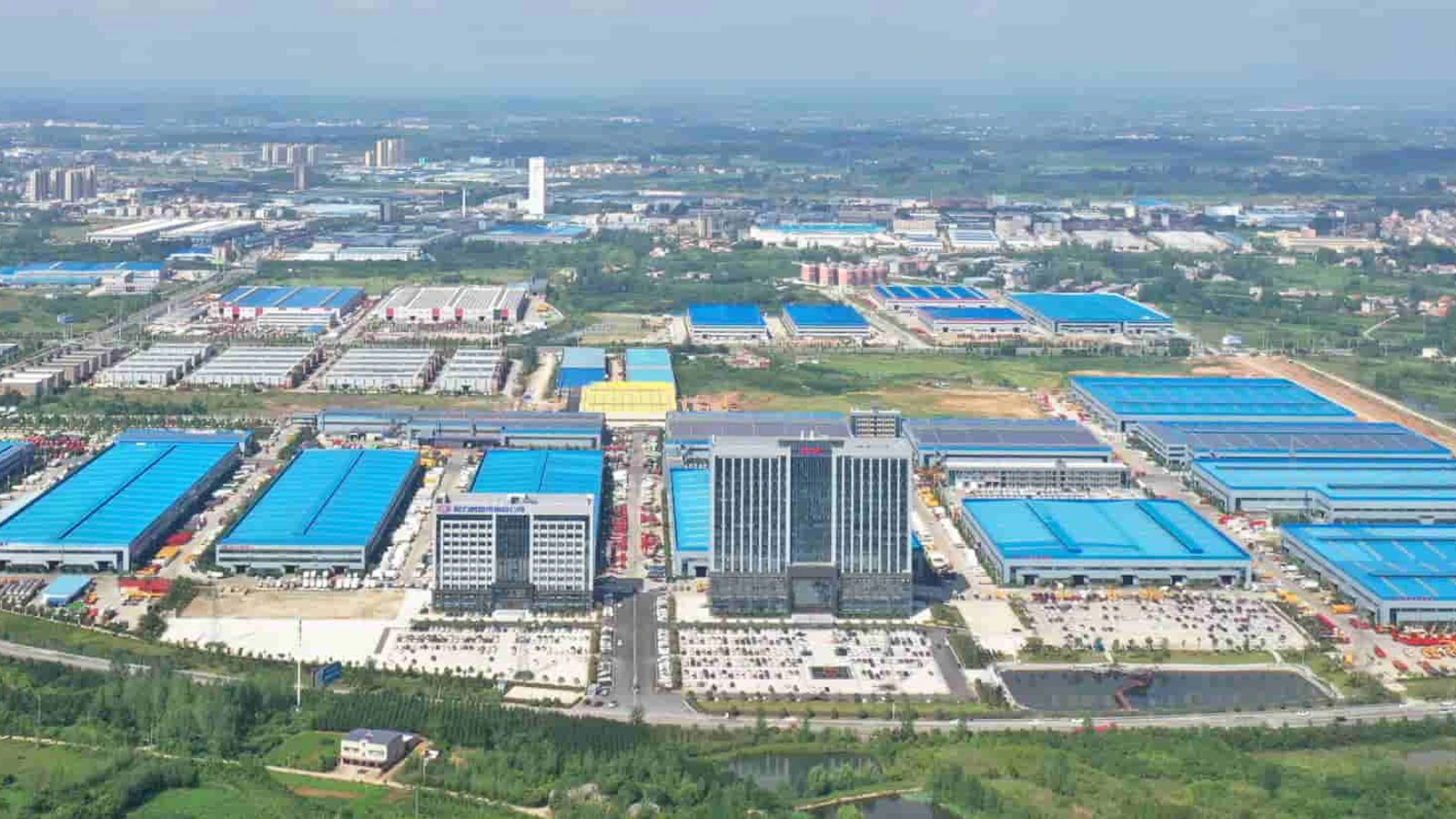
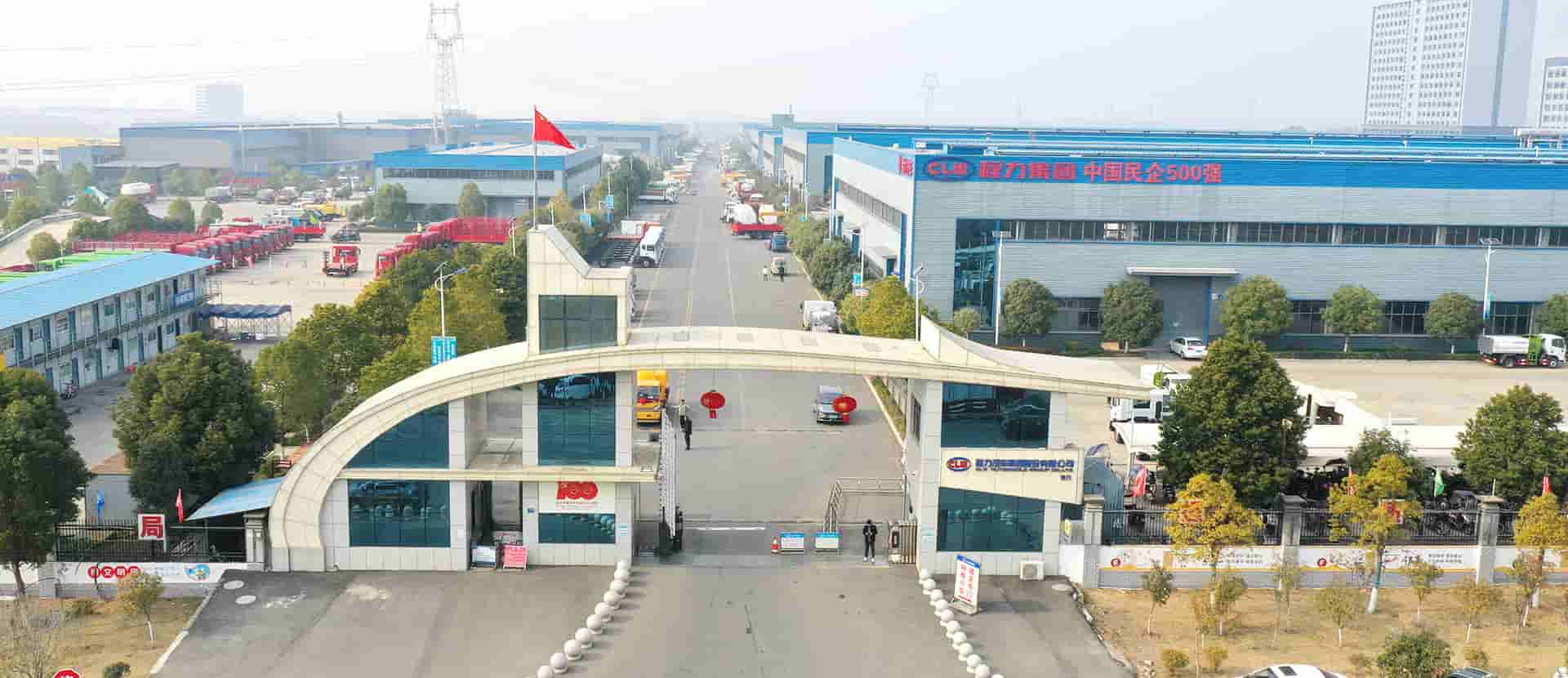
The line forms part of a digitalisation push described in the group’s new-year report: robot-automated welding on the body-side panels and frames where manual weld quality varies, inside a plant whose 5G-connected “smart factory” status earned a place on the Ministry of Industry and Information Technology’s national 5G factory list — the first Suizhou enterprise to make it. CLW also leads the establishment of Suizhou’s first provincial-level technology innovation consortium for special vehicles, tying its R&D to the university and supply-chain cluster around the city.
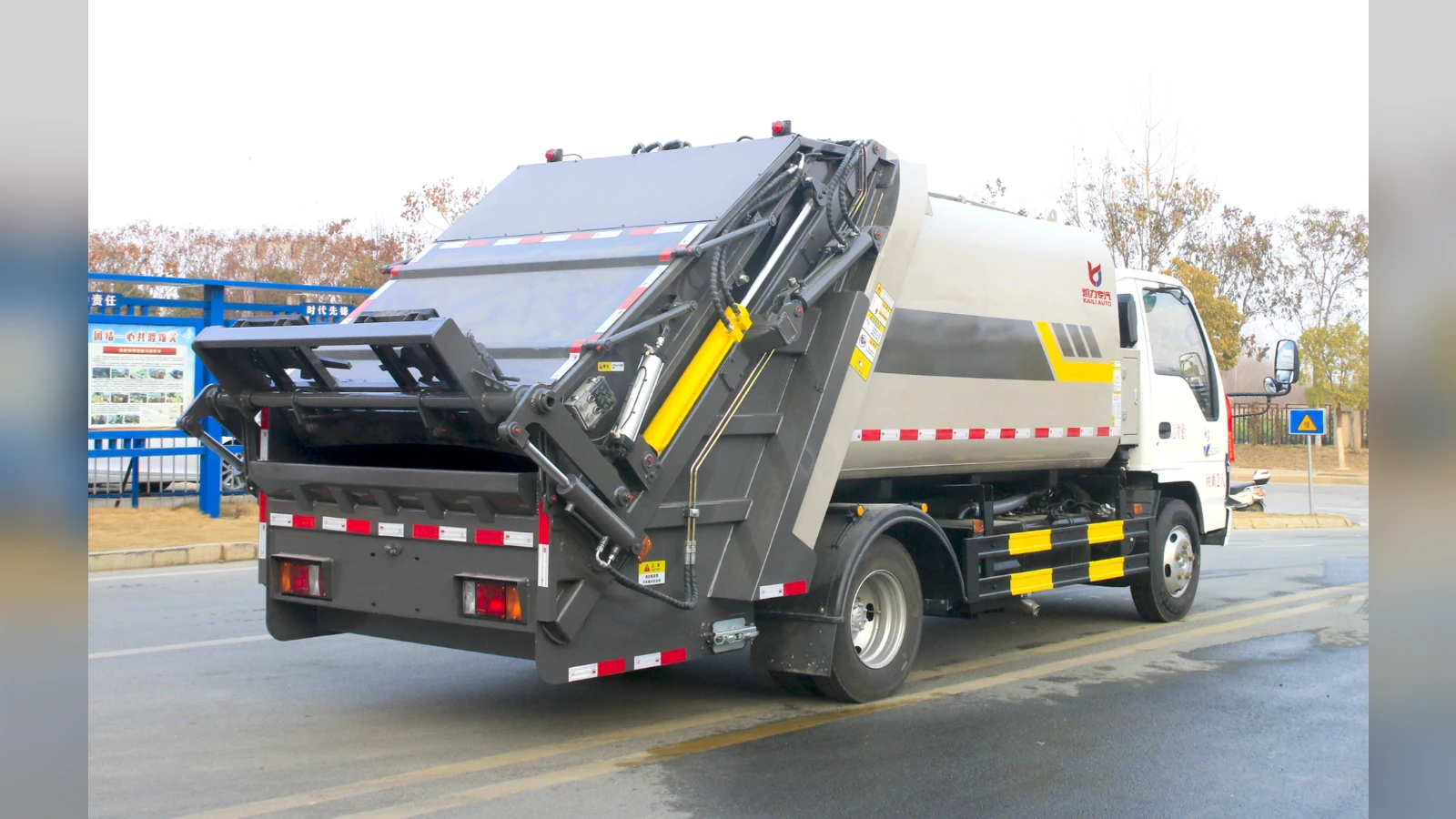
A compactor body is a fatigue-cycled structure — hundreds of packer strokes a day, thousands of load cycles a week. Robotic weld consistency directly extends body life, tightens seal tolerance (the difference between a clean haul and a leachate trail), and stabilises production scheduling at scale. For buyers comparing FOB prices, the weld line is the part of the factory tour that predicts total cost of ownership.
Compare compactor body construction before you buy? See CLW garbage-truck models »
Tell us your truck model and quantity — an engineer replies within 12 hours with a factory-direct price.