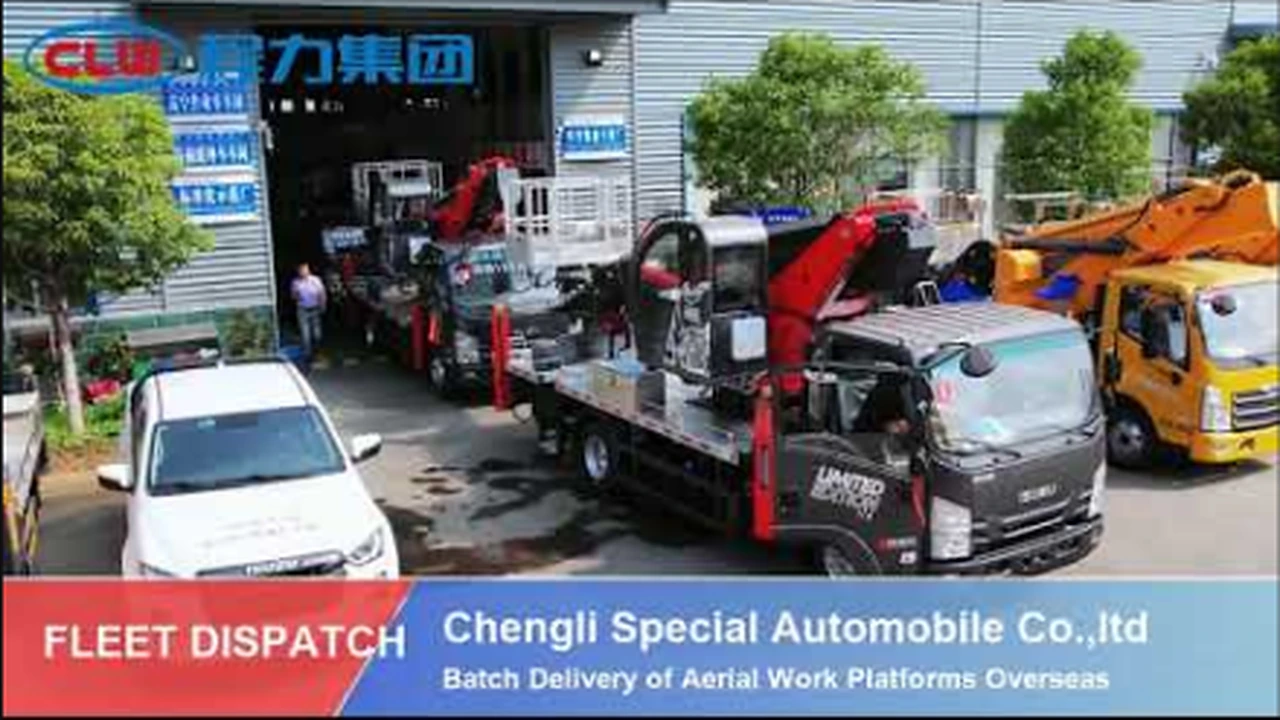
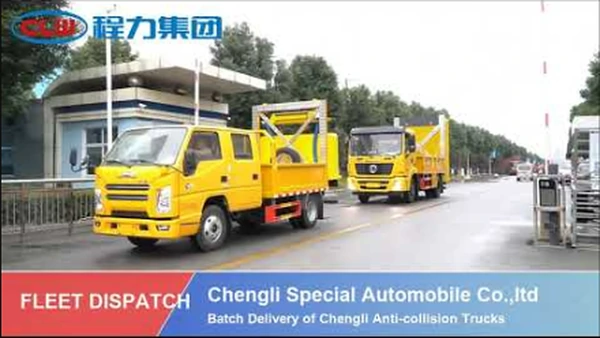
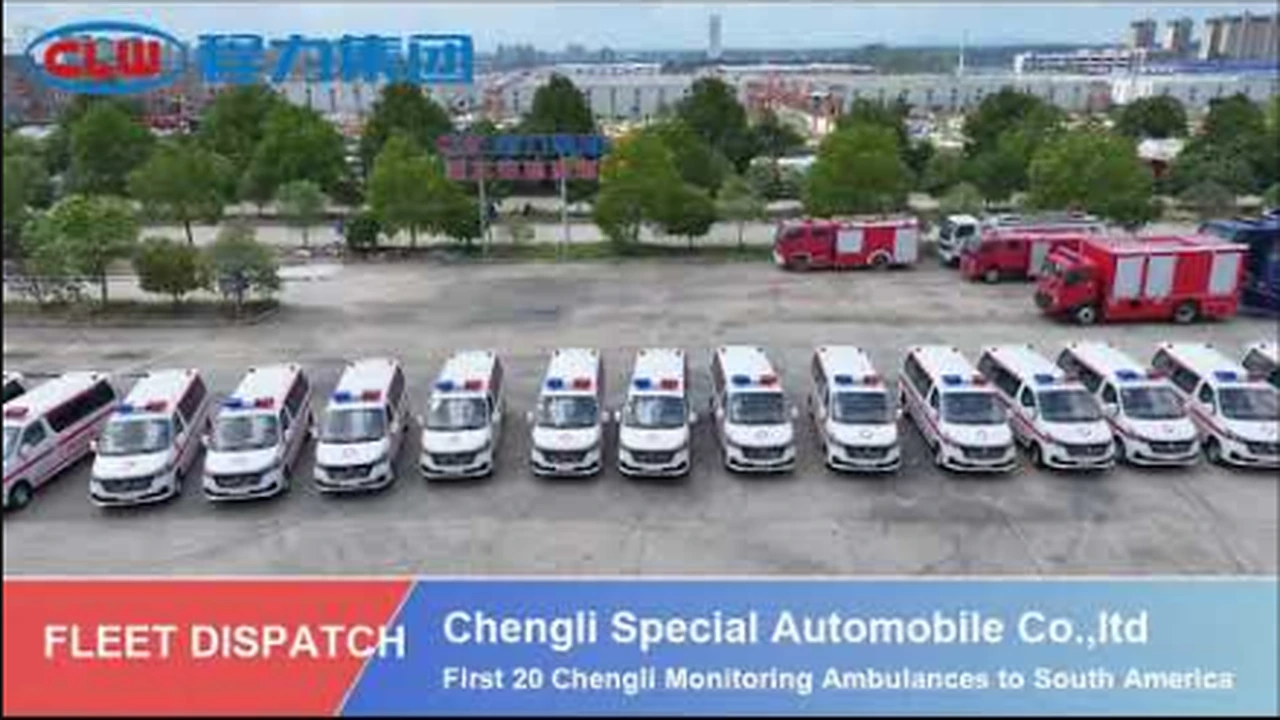
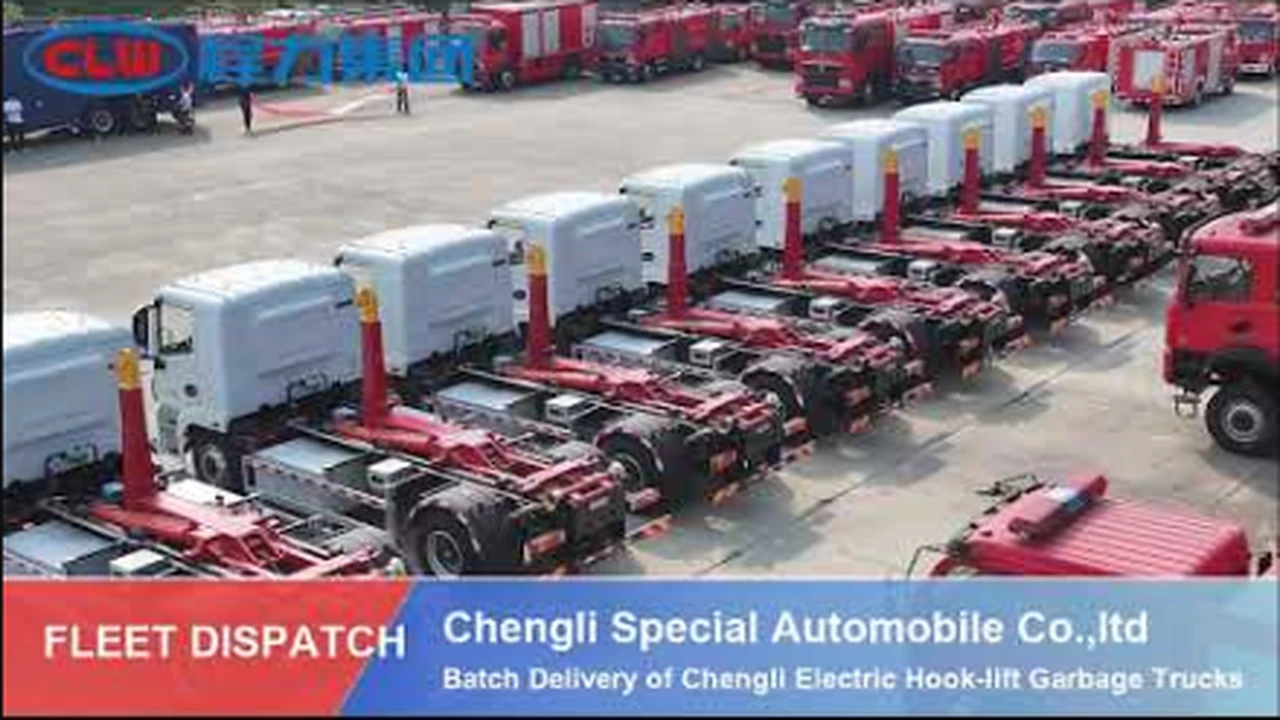
A walk through the Chengli special vehicle factory showing aerial work platforms and emergency response vehicles on display in the production hall.
What the video shows
This clip takes viewers inside the Chengli special vehicle factory, where a line-up of finished aerial work trucks and emergency vehicles is displayed in the production hall. The showroom floor gives a clear view of the different body types side by side: telescopic boom platforms, articulated lifts and emergency response vehicles built on a range of chassis. For buyers who normally only see a product photograph, a factory walk-through shows the scale of the operation and how the different special bodies are mounted.
Why buyers visit the factory
A special vehicle is built to order, so seeing the plant matters. Buyers can confirm how a body is fabricated, how the boom or lift is assembled, and how quality checks are carried out before a unit is released. It is also the fastest way to compare configurations: standing in front of two aerial platforms of different working heights makes the difference in boom length, outrigger layout and platform size far clearer than a specification sheet.
The aerial work vehicle range
Aerial work vehicles are specified mainly by working height and the way the boom reaches it. Telescopic boom platforms extend straight out and suit utility and line work where reach matters; articulated or knuckle booms fold around obstacles and are better in confined sites. Mounting is on a truck chassis so the unit can move between jobs under its own power, with outriggers stabilising the platform once in position. Chassis choice, boom height and platform capacity are matched to the work the customer does.
Emergency vehicles on display
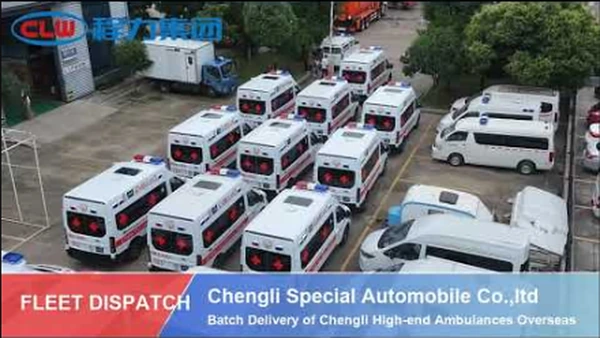
Alongside the lifts, the factory show includes emergency and response vehicles — the kind of build that carries command equipment, lighting, power supply and specialist kit for field operations. These vehicles share the same principle as the aerial units: a purpose-built body on a reliable chassis, configured around the mission. A rescue command truck with on-board power illustrates how a mobile workspace and communication equipment are integrated into a single vehicle.
From the display floor to your specification
Whatever the body type, the process starts with the job: working height, site conditions, payload, terrain and the standard of equipment required in the destination market. The ISUZU 32 m aerial platform and the ISUZU 4x2 32 m telescopic platform are two examples from the current range. Tell us your working height and site conditions and the CLW team will propose the right configuration.
Sourcing from an aerial work truck factory
Buyers researching an aerial work platform truck often go straight to the aerial work truck range to compare boom height, bucket capacity and chassis options. Working with an aerial work truck factory or manufacturer directly means the platform, outriggers and controls can be specified for the actual job, and aerial work truck wholesale orders can be configured per unit. Request a factory quote for build and export details.